

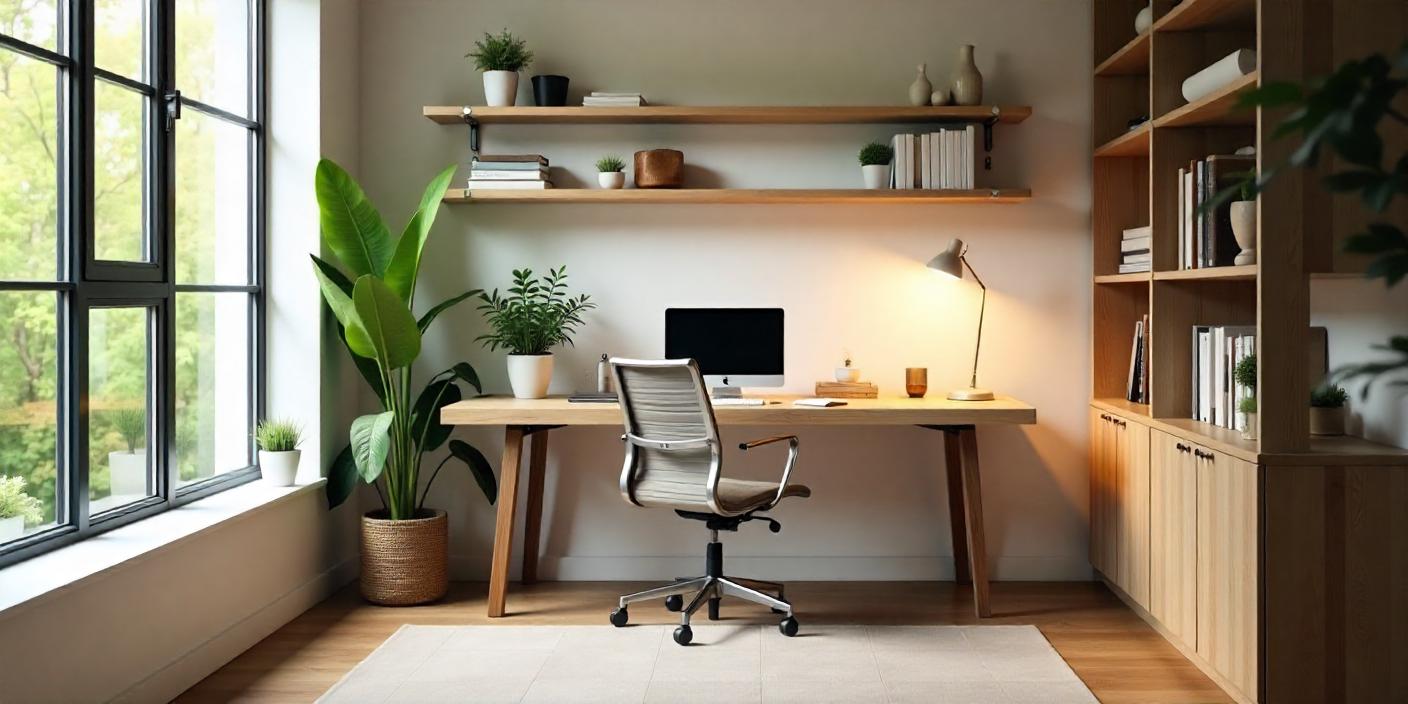
Mixing and matching furniture styles can transform your home into a personalized and vibrant space. Whether you’re working with a limited budget or simply want to experiment with different aesthetics, combining various furniture pieces from diverse styles can help create an inviting and unique atmosphere. However, mixing furniture styles requires some thoughtful planning to avoid a chaotic, mismatched look. In this article, we will share five easy tips to guide you through the process, helping you mix and match furniture with confidence, resulting in a harmonious and stylish interior.
1. Start with a Neutral Base
One of the best ways to begin mixing and matching furniture styles is to start with a neutral base. Neutral colors like beige, white, grey, and taupe can serve as a unifying backdrop for a variety of furniture pieces. These hues allow you to introduce other colors and textures without overwhelming the room. Neutral tones also have the advantage of making the space feel larger and more cohesive. For instance, choose a neutral sofa that can anchor your living room, and then add accent chairs or tables in contrasting colors or materials. Starting with a neutral base ensures that your design doesn’t feel too busy or disjointed, and it provides a seamless foundation to build upon.
2. Balance Different Textures and Materials
Mixing furniture styles isn’t just about contrasting colors or shapes; it’s also about playing with textures and materials. Combining different textures adds depth and visual interest to the room. For example, pairing a sleek leather sofa with a soft, plush velvet armchair creates a striking contrast. Similarly, blending materials like wood, metal, and glass can bring variety without clashing. A wooden coffee table paired with a glass dining table or a wrought iron lamp with a wooden sideboard is an effective way to combine different styles while maintaining balance. Just be sure that the textures complement each other, creating harmony rather than overwhelming the space. A thoughtful selection of textures ensures that each piece stands out while still working together cohesively.
3. Create a Focal Point
A well-placed focal point is key to mixing furniture styles effectively. By choosing one standout piece to anchor the room, you can guide the eye and establish a sense of organization within your eclectic mix. This focal point could be anything from a bold, colorful rug to a statement armchair or a unique lighting fixture. The focal point doesn’t have to dominate the space but should serve as an element around which the other furniture is arranged. Once your focal piece is chosen, position other items so they complement or accentuate it rather than compete for attention. This technique helps establish a clear focal point in a room while still allowing room for different furniture styles to coexist harmoniously.
4. Stick to a Consistent Color Palette
While mixing furniture styles allows for flexibility, sticking to a consistent color palette is essential to maintaining unity. Choose a primary color or two, and incorporate shades of those colors throughout your furniture and décor. For instance, if you choose navy blue as your base color, incorporate various shades of blue in accent pieces like pillows, rugs, or artwork. This consistency in color creates a visually pleasing flow and prevents the space from feeling too scattered. Don’t be afraid to use bold or contrasting colors, but try to keep them balanced within the room. A cohesive color scheme helps blend different styles together, ensuring that even though the furniture pieces may be from different eras or design inspirations, they still feel part of a unified whole.
5. Pay Attention to Scale and Proportions
When mixing furniture styles, one of the most important factors to consider is scale and proportions. The size of your furniture pieces should be in proportion to the size of the room. For example, if you have a large, spacious living room, a grand antique armchair could work well next to a modern, sleek sofa. However, in a smaller room, oversized furniture could overwhelm the space, making it feel cramped. To avoid this, balance large furniture pieces with smaller items. For instance, pair a chunky L shape sofa with a slender coffee table or an oversized bookshelf with a delicate side table. Paying attention to scale and proportion ensures that each piece complements the other, creating a space that feels comfortable and well-balanced.
Conclusion
Mixing and matching furniture styles can seem like a daunting task, but with the right approach, it can result in a stunning and unique home interior. By starting with a neutral base, balancing textures and materials, creating a focal point, sticking to a consistent color palette, and paying attention to scale and proportions, you can effortlessly blend different furniture styles. The key is to experiment and trust your instincts while keeping in mind the principles of balance and cohesion. With these five easy tips, you can confidently mix and match furniture pieces from various styles to create a space that truly reflects your personal taste and aesthetic vision.
