

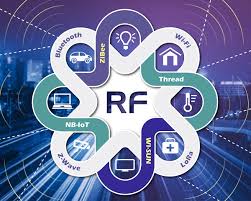
In today’s interconnected world, wireless communication plays a pivotal role in daily life, powering devices ranging from smartphones to smart homes. At the core of this functionality lies radio frequency (RF) technology, a critical component enabling seamless communication. To maintain the reliability and performance of RF systems, RF testing services have become indispensable. These services ensure that devices operate efficiently, comply with regulatory standards, and avoid interference with other systems.
This article delves into the fundamentals of RF testing services, their applications, benefits, methodologies, and the future of RF testing in an increasingly wireless world.
What Are RF Testing Services?
RF testing services involve the evaluation and validation of devices and systems that operate on radio frequencies. These tests measure parameters such as signal strength, frequency range, power levels, modulation, and potential interference. RF testing ensures that the devices adhere to regulatory standards, deliver optimal performance, and coexist harmoniously in crowded electromagnetic environments.
Why Are RF Testing Services Essential?
The proliferation of wireless devices has heightened the need for rigorous RF testing. Below are some key reasons why these services are crucial:
1. Regulatory Compliance
Governments and regulatory bodies, such as the Federal Communications Commission (FCC) in the United States and the European Telecommunications Standards Institute (ETSI) in Europe, mandate strict guidelines for RF emissions. Non-compliance can lead to fines, product recalls, or bans on product distribution.
2. Performance Optimization
RF testing ensures that devices function as intended, with minimal signal loss and interference. This is critical for maintaining user satisfaction and competitive market positioning.
3. Interference Mitigation
With the growing density of wireless networks, interference has become a significant challenge. RF testing identifies and mitigates sources of interference, ensuring smooth device operation.
4. Safety
RF emissions, if uncontrolled, can pose health and safety risks. Testing ensures that devices meet safety standards for RF exposure, protecting both users and the environment.
Applications of RF Testing Services
RF testing services are employed across diverse industries. Some notable applications include:
1. Consumer Electronics
Smartphones, wearables, smart speakers, and other wireless devices rely on RF testing to ensure robust connectivity.
2. Automotive Industry
Modern vehicles feature RF-dependent technologies like keyless entry, tire pressure monitoring systems (TPMS), and in-car Wi-Fi. RF testing ensures these systems perform flawlessly.
3. Telecommunications
Base stations, antennas, and network infrastructure undergo rigorous RF testing to ensure reliable communication in cellular networks.
4. Medical Devices
RF-enabled medical devices, such as wireless patient monitors and insulin pumps, require stringent testing to ensure they function without interference and meet safety standards.
5. Aerospace and Defense
Aircraft communication systems, radars, and military communication devices are tested to withstand extreme conditions and operate reliably in mission-critical scenarios.
Types of RF Testing Services
RF testing encompasses various methodologies tailored to specific devices and applications. Some common types include:
1. RF Conducted Testing
This method measures the performance of RF signals conducted through cables. It evaluates parameters such as power output, frequency stability, and harmonics.
2. Radiated Emissions Testing
This test assesses the RF emissions from a device to ensure they do not exceed permissible levels or interfere with other devices.
3. Antenna Testing
Antenna performance, including gain, radiation pattern, and efficiency, is crucial for device connectivity. Antenna testing ensures optimal design and performance.
4. Wireless Protocol Testing
Devices using protocols like Wi-Fi, Bluetooth, or Zigbee undergo testing to verify compliance with protocol standards and interoperability.
5. Environmental RF Testing
This evaluates how RF devices perform under various environmental conditions, such as extreme temperatures, humidity, and vibration.
Key Parameters Assessed in RF Testing
RF testing services measure several critical parameters to ensure device reliability:
- Frequency Range: The range of frequencies at which a device operates effectively.
- Power Levels: The output power of RF signals, ensuring adequate range without exceeding safety limits.
- Signal Integrity: The quality and stability of transmitted and received signals.
- Harmonics and Spurious Emissions: Unintended emissions that may cause interference.
- Intermodulation Distortion: Signal distortion caused by non-linear interactions in RF systems.
The Role of Advanced Technologies in RF Testing
With the advent of 5G, the Internet of Things (IoT), and other advanced technologies, RF testing has become more complex. Advanced tools and techniques are now essential to meet modern requirements:
1. Automation in RF Testing
Automated testing systems improve accuracy and efficiency, reducing manual intervention and testing time.
2. Artificial Intelligence (AI)
AI algorithms analyze large datasets generated during testing, identifying patterns and predicting potential issues.
3. 5G-Specific Testing
5G networks operate on higher frequency bands, requiring specialized testing for millimeter-wave (mmWave) frequencies and massive MIMO antennas.
4. EMC Chambers
Electromagnetic compatibility (EMC) chambers provide controlled environments for precise radiated emissions and immunity testing.
Benefits of RF Testing Services
Investing in RF testing services offers numerous advantages:
- Enhanced Device Performance: Ensures optimal functionality, reducing the risk of connectivity issues.
- Market Access: Compliance with global standards facilitates market entry and acceptance.
- Reduced Development Costs: Identifying and resolving RF issues early minimizes costly redesigns and delays.
- Customer Trust: Reliable, well-tested devices build brand reputation and customer loyalty.
Selecting the Right RF Testing Provider
Choosing a competent RF testing provider is critical for achieving accurate results and compliance. Consider the following factors:
- Accreditation: Ensure the provider is certified by recognized bodies such as ISO/IEC 17025.
- Technical Expertise: Look for providers with experience in testing devices similar to yours.
- State-of-the-Art Facilities: Advanced equipment and facilities are essential for accurate testing.
- Global Reach: Providers with global compliance knowledge can streamline market entry.
Challenges in RF Testing
While RF testing is essential, it comes with its challenges:
- Complexity of Modern Devices: Multifunctional devices operating on multiple frequencies require intricate testing methodologies.
- Evolving Standards: Rapid changes in regulatory standards demand continuous adaptation.
- Cost: High-quality RF testing equipment and facilities can be expensive, especially for smaller companies.
The Future of RF Testing Services
As technology continues to evolve, RF testing will play an increasingly vital role. Emerging trends include:
- 6G Testing: Future networks will push the boundaries of RF testing with even higher frequencies and advanced technologies.
- Integration with Digital Twins: Simulating RF environments using digital twins can accelerate testing processes.
- Sustainability: Eco-friendly testing practices will gain prominence as industries strive for greener operations.
Conclusion
RF testing services are indispensable in ensuring the reliability, safety, and performance of wireless devices. As wireless technology continues to advance, these services will evolve to address new challenges and opportunities. By leveraging advanced tools, adhering to stringent standards, and collaborating with expert providers, businesses can ensure their devices excel in a competitive, interconnected world.
Investing in comprehensive RF testing services is not just a regulatory requirement but a strategic move to achieve excellence in the wireless era.
