

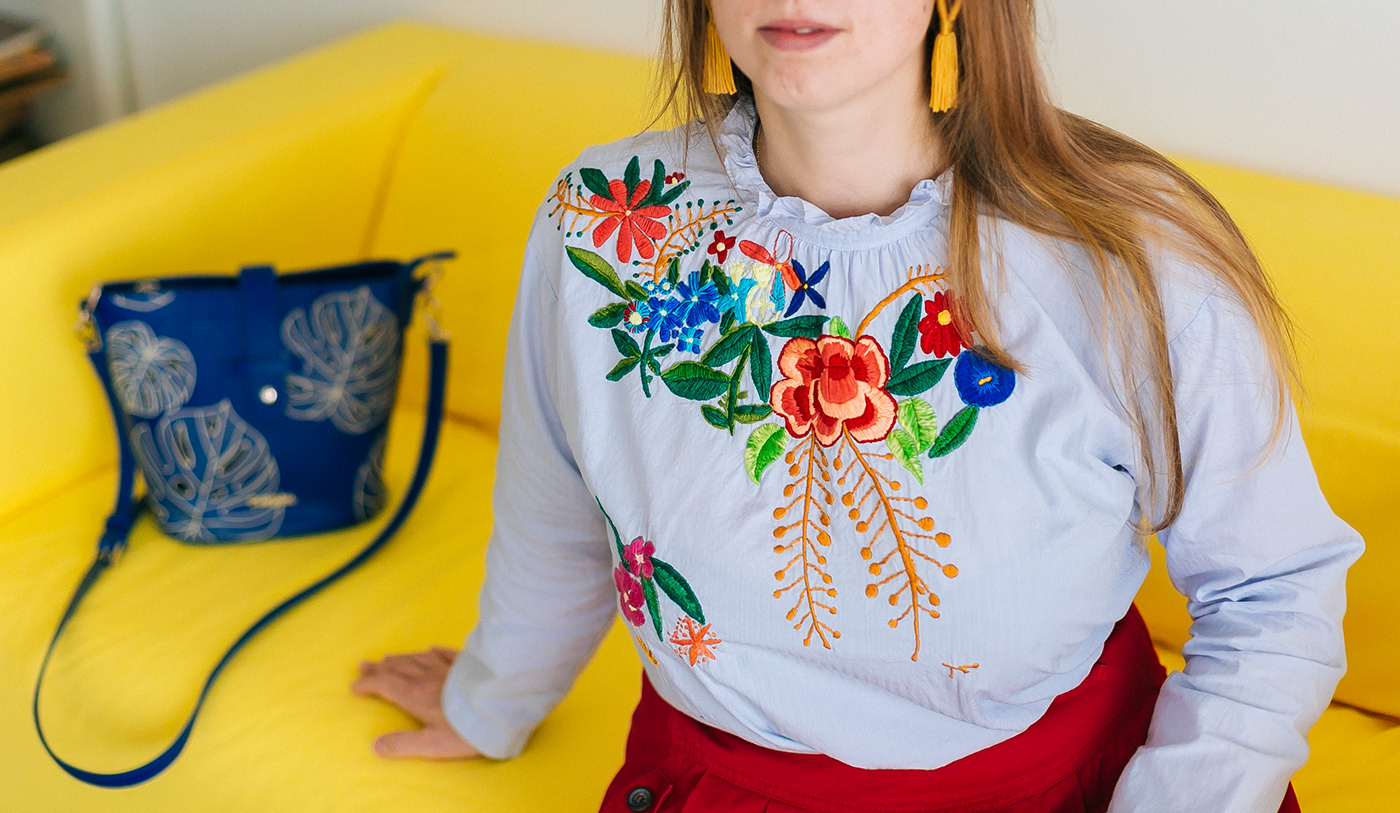
Embroidery on shirts has been a popular method of customization for decades, cherished for its durability, professional finish, and timeless appeal. Whether for business branding, personal expression, or gift-giving, embroidered shirts add a touch of sophistication that other printing techniques often lack. But how does the embroidery in Dallas process work, and is it worthwhile in today’s fast-paced world? Let’s explore.
The Process of Embroidery on Shirts
Embroidery involves stitching a design directly onto a fabric using specialized threads and equipment. The process, while simple in concept, requires precision and expertise to ensure quality results.
1. Designing the Artwork
Before embroidery begins, the design must be prepared. This involves converting a logo, text, or graphic into a digital file format compatible with embroidery machines. This process, called digitization, translates the image into a series of stitches, specifying details such as thread colors, stitch type, and pattern.
2. Selecting the Threads and Colors
One of the standout features of embroidery is its use of vibrant, high-quality threads. These threads come in a wide range of colors and are selected to match the design’s color scheme. Unlike printed designs, embroidered threads have a natural sheen that adds a premium look to the final product.
3. Preparing the Fabric
The shirt is secured in a hoop to keep the fabric taut during stitching. This prevents distortion and ensures the design is embroidered cleanly and accurately. The hoop is then placed into the embroidery machine, ready for stitching.
4. The Embroidery Process
Using the digitized design file, the embroidery machine begins stitching the pattern onto the shirt. Modern machines can produce intricate designs quickly and with remarkable precision. Depending on the complexity of the design, this process can take a few minutes to an hour.
5. Finishing Touches
Once the embroidery is complete, the shirt is carefully inspected for any loose threads or imperfections. Excess backing material is trimmed away, and the shirt is pressed for a polished finish. The result is a durable and eye-catching design that stands out.
Is Embroidery Worthwhile?
Embroidery offers several benefits that make it a worthwhile choice for customizing shirts, especially when quality and longevity are priorities. However, it’s essential to weigh the pros and cons based on your specific needs.
Advantages of Embroidery
1. Durability
Unlike printed designs that may fade, crack, or peel over time, embroidery is built to last. The threads are resistant to wear and tear, making embroidered shirts ideal for uniforms or frequent use.
2. Professional Appearance
Embroidery exudes professionalism, making it a top choice for corporate apparel. Logos and branding elements look polished and sophisticated when embroidered on shirts.
3. Versatility
Embroidery works well on various fabrics, including cotton, polyester, and blends. It’s suitable for a range of shirt types, from casual polos to formal dress shirts.
4. Customization
Embroidery allows for intricate designs with depth and texture. It’s ideal for logos, monograms, or personalized details that make a shirt unique.
5. Eco-Friendly
Unlike some printing methods that rely on chemical inks, embroidery uses threads, making it a more environmentally friendly option.
Drawbacks of Embroidery
1. Cost
Embroidery is typically more expensive than printing methods like screen printing or DTG (Direct-to-Garment). The setup cost for digitization can add to the expense, especially for small orders.
2. Limited Detail
While embroidery excels at creating bold, textured designs, it’s less suited for intricate, highly detailed graphics or photographic images.
3. Fabric Limitations
Some delicate fabrics, like silk or thin materials, may not hold up well to the embroidery process. The stitching can also make the fabric feel slightly stiff in the embroidered area.
When to Choose Embroidery
Embroidery is the best choice for specific applications, including:
1. Corporate and Team Uniforms
Businesses often use embroidery for company logos on polo shirts, jackets, or dress shirts. The professional look reinforces brand identity and creates a cohesive team image.
2. Personalized Gifts
Embroidered shirts make thoughtful gifts for occasions like birthdays, weddings, or anniversaries. Monograms or custom messages add a personal touch.
3. Event Merchandise
For events like charity fundraisers or sports tournaments, embroidery gives apparel a high-quality finish that stands out.
4. Long-Term Use
If you’re looking for designs that will withstand frequent washing and wear, embroidery’s durability is hard to beat.
Conclusion
Embroidery on shirts is a time-tested method that delivers durability, elegance, and customization. While it may be costlier than other techniques, the long-term benefits often outweigh the initial investment, especially for businesses, organizations, and individuals seeking a professional and polished look. By understanding the process and its applications, you can determine if embroidery is the right choice for your needs. Whether for branding, gifting, or personal use, embroidered shirts offer a touch of sophistication that never goes out of style.
