

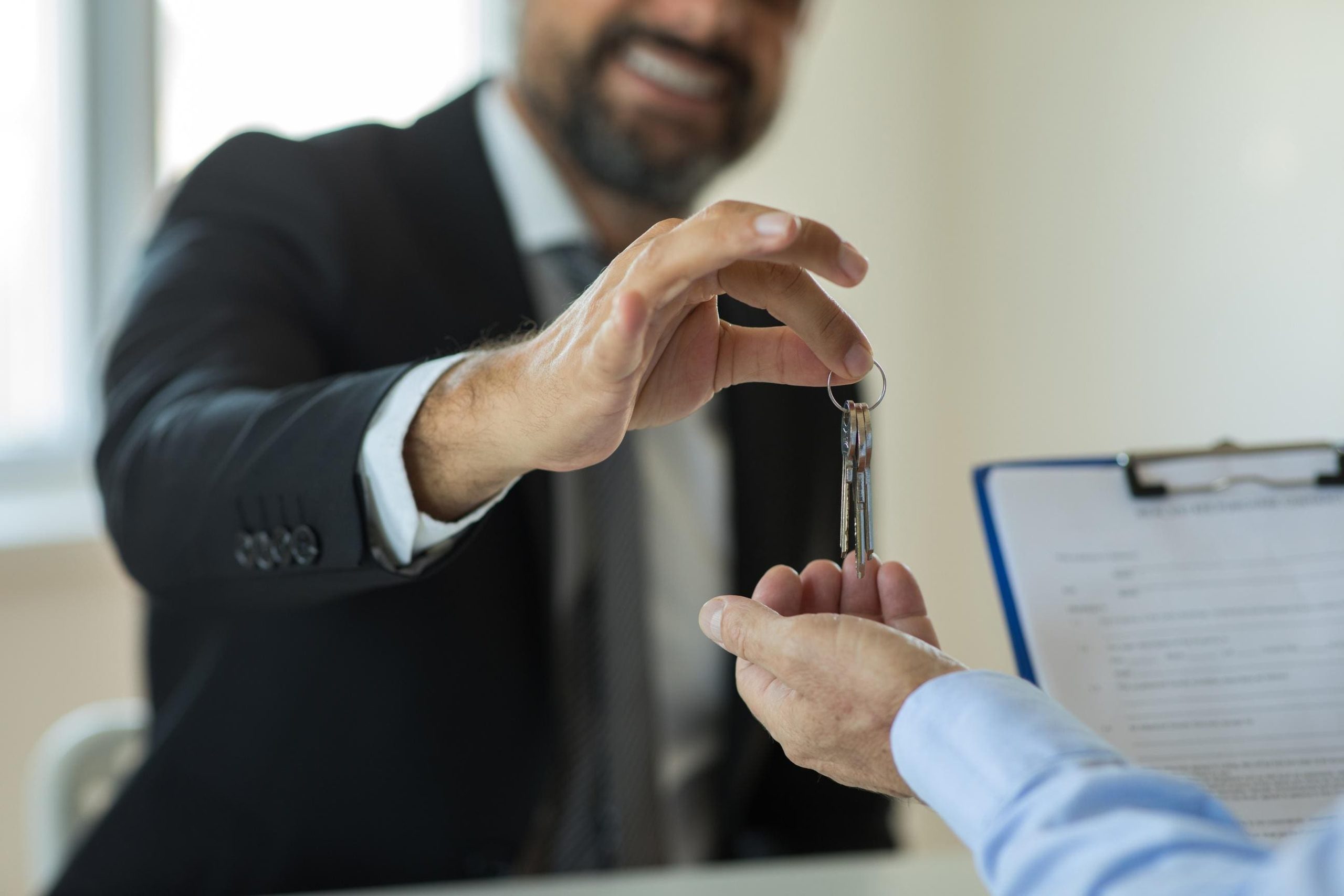
Issues of maintenance in rented apartments can often become a significant concern for landlords and tenants. A leaky roof to defective appliances, such problems cause a hindrance to one’s daily routine and even might create friction among people if not addressed in time. With lettings agents, it is possible that the problems can be easily approached and sorted out, with ease and professionalism, on time. Tenants are also responsible for reporting problems in good time to ensure timely solutions. This article discusses the best practices for managing maintenance issues in rental properties. The following solutions benefit both landlords and tenants and maintain harmony.
Clear Communication Channels
Effective communication between landlords, tenants, and managing agents is the base of successful maintenance management. The landlord should instruct the tenant on how to report the issues that may arise in the house. This includes contact details and preferred modes of communication. Online reporting systems, email, or dedicated hotlines can make this easier, so nothing goes unreported. Tenants, on their part, must report problems as soon as they arise to prevent them from worsening. Communication Regularly Maintenance not only helps the parties come in on time but also, through such interactions, encourages mutual trust between them.
Inspect Properties on a Periodical Basis
One of the routine inspections may lead to discovering several maintenance problems that are minor but would later develop into significant ones. Therefore, there should be periodic property inspections, especially by landlords or their agents. Some of these routine checks can expose structural wear and tear, water damage, and pest infestation. Tenants should be given notice so that they comply and cooperate with the inspection. The landlord should also note his findings and correct the problems mentioned to maintain the confidence of the tenants.
Prioritise Emergency Repairs
Not all maintenance issues are the same, and emergencies must take precedence. For example, leaking gas, a broken heating system, or serious water damage are all situations that demand prompt intervention to ensure the safety and security of tenants. A list of reliable contractors or service providers must be at hand who can respond to such urgent issues quickly. The tenants also need to be enlightened on what is an emergency so that their expectations can be managed and unwanted delays avoided. Clear policies on emergency versus routine maintenance request response times can also clear confusion. Responsiveness to emergencies is both a legal obligation and evidence.
Budget for Maintenance Costs
Landlords have no choice but to spend money on maintaining the property. Therefore, setting up a budget to manage issues helps to avoid stress while trying to deal with these problems. Allocation of a part of the rental income to the repairs and maintenance will ensure the ready availability of funds when needed. Such bigger repairs, like roof or plumbing overhauls, are essential for maintaining the property’s functionality and appeal; however, they can be relatively expensive. Burst pipes are an example of one of the most expensive emergencies, so an emergency fund is a must-have. Landlords working with expert advice on cost-effective solutions help to keep costs manageable.
Build Good Relations with Tenants
The resolution of maintenance issues will largely depend on good landlord-tenant relations. Tenants who are treated with respect and value will report problems promptly and cooperate with the repairs. Landlords should be empathetic and professional in handling maintenance requests from tenants. This way, they can ensure that tenants feel heard. Responses to even minor concerns promptly are good ways to build goodwill and reduce frustration among tenants. Giving updates on the repairs in progress can also alleviate anxiety and prevent misunderstandings. Positive relationships improve tenant satisfaction and a more harmonious rental experience for everyone involved.
Stay Compliant with Legal Obligations
UK landlords must adhere to legal requirements regarding property maintenance, including ensuring the property meets safety standards. This includes providing working smoke alarms, gas safety certificates, and adequate heating systems. Failure to comply with these regulations can result in legal penalties and reputational damage. This would involve keeping abreast with the changes in housing law and seeking expert advice, which includes letting agents. Frequent updating of tenants of their rights and responsibilities contributes to greater transparency and responsibility. It reassures tenants that their safety comes first.
The Role of Property Management Software Development in Modern Real Estate
Conclusion
The process of handling maintenance in rental properties involves a more proactive and collaborative approach for landlords and tenants alike. Maintaining clear communication channels, frequent inspection, and emergency repairs by a landlord would help efficiently manage properties. Budgeting for repairs and cultivating good tenant relationships would help to have smooth property management. Working with experts makes the process smoother, with legal compliance and access to reliable contractors.
