

Introduction
Eczema is a frustrating skin condition that can disrupt your daily life with its relentless itching and inflammation. Hair thinning, on the other hand, is a concern that many people face for various reasons. But what happens when these two problems intersect? Can eczema cause hair thinning? If you’re scratching your head (literally) over this question, you’re not alone. Let’s unravel this mystery together and dive into the connection between eczema and hair thinning.
Understanding Eczema
What Is Eczema?
Eczema, also known as atopic dermatitis, is a chronic skin condition characterized by redness, itching, and inflammation. It’s more than just dry skin; eczema involves a compromised skin barrier that makes it more susceptible to irritation. There are several types of eczema, including contact dermatitis, nummular eczema, and seborrheic dermatitis.
Common Symptoms of Eczema
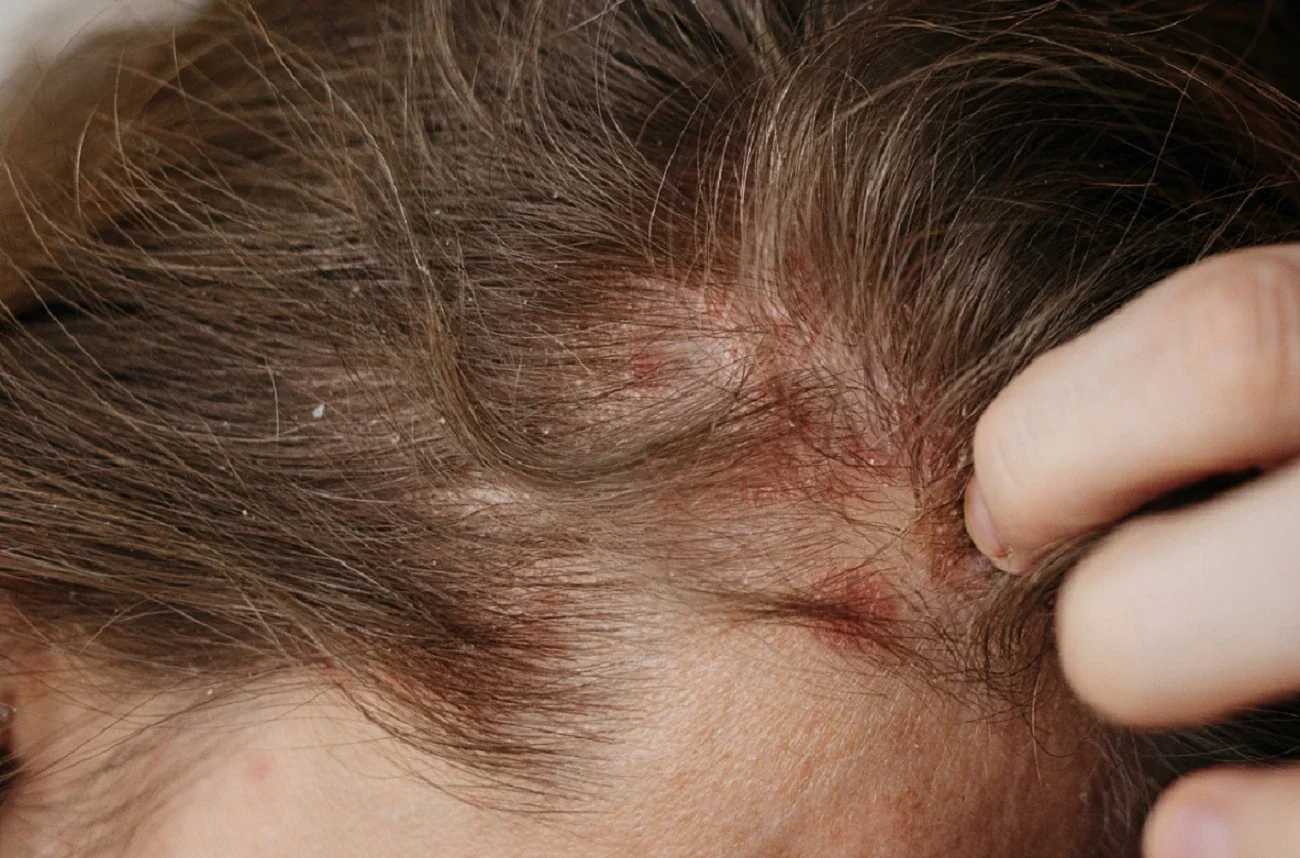
Living with eczema means dealing with constant itching, redness, and sometimes oozing or crusting skin. When eczema affects the scalp, these symptoms can intensify, leading to discomfort and irritation. The inflammation weakens the scalp’s ability to maintain healthy hair follicles, setting the stage for hair-related issues.
The Basics of Hair Thinning
What Causes Hair Thinning?
Hair thinning can stem from numerous factors, such as genetics, stress, nutritional deficiencies, and medical conditions. While eczema isn’t the most common cause, the chronic inflammation it causes can exacerbate hair loss. Stress, often associated with eczema flare-ups, can also play a significant role in hair thinning.
How Hair Growth Works
Your hair grows in cycles: anagen (growth), catagen (transition), and telogen (rest). When something disrupts these cycles—like chronic inflammation or scratching from eczema—it can lead to hair loss or thinning over time.
The Connection Between Eczema and Hair Thinning
How Eczema Affects the Scalp
Scalp eczema is a specific form of eczema that can cause red, flaky, and itchy patches. These symptoms don’t just stop at the surface; they affect hair follicles too. Prolonged inflammation weakens the follicles, making hair more prone to shedding.
Inflammation and Hair Health
Chronic inflammation, a hallmark of eczema, impacts the scalp’s health and its ability to support hair growth. Inflammation restricts blood flow to hair follicles, depriving them of the nutrients needed for healthy growth.
Scratching and Hair Breakage
The relentless urge to scratch your itchy scalp can lead to mechanical damage, causing hair to break. Over time, this contributes to the appearance of thinner hair. It’s a vicious cycle: the more you scratch, the worse it gets.
Identifying Eczema-Related Hair Thinning
Recognizing the Signs
If you notice flaky patches, redness, and persistent itching on your scalp accompanied by thinning hair, eczema might be the culprit. Hair thinning from eczema often appears in patches rather than a uniform pattern.
When to Seek Medical Advice
If your hair loss seems severe or doesn’t improve with basic care, it’s time to see a dermatologist. They can perform diagnostic tests to confirm whether eczema is the root cause and recommend effective treatments.
Treatment and Prevention
Managing Eczema on the Scalp
Taming scalp eczema involves a combination of treatments. Prescription medications like corticosteroids and topical calcineurin inhibitors can reduce inflammation. Additionally, switching to a fragrance free shampoo can help minimize irritation and prevent flare-ups.
Promoting Healthy Hair Growth
Eating a balanced diet rich in vitamins like biotin, zinc, and omega-3 fatty acids can support healthy hair growth. Staying hydrated and managing stress are equally important.
Home Remedies and Self-Care
Natural remedies like aloe vera and coconut oil can soothe an irritated scalp. Gentle scalp massages improve circulation, promoting hair health. Avoiding harsh hair products and excessive heat styling can also make a big difference.
Myths and Misconceptions
Separating Fact from Fiction
There are plenty of myths surrounding eczema and hair thinning. For instance, some believe eczema directly causes permanent baldness. The truth? Hair can regrow once the underlying inflammation is treated. Another myth is that scratching your scalp is harmless—it’s not.
Coping with the Emotional Impact
Psychological Effects of Hair Thinning
Hair thinning can be emotionally draining, affecting your self-esteem and confidence. Don’t hesitate to seek support from friends, family, or even a therapist. Sharing your journey can be incredibly empowering.
Conclusion
Eczema and hair thinning may not seem related at first glance, but a deeper look reveals how the two can intersect. Chronic scalp inflammation, scratching, and weakened hair follicles all play a role in this connection. The good news? With the right care and treatment, you can manage eczema and restore your hair’s health. Take charge, consult a dermatologist, and remember—you’re not alone in this journey.
FAQs
1. Can eczema permanently damage hair follicles?
No, in most cases, hair follicles recover once the inflammation and scratching are controlled.
2. How can I tell if my hair thinning is due to eczema or another condition?
Look for symptoms like redness, itching, and flaky patches on the scalp. A dermatologist can help pinpoint the cause.
3. Are there specific foods to avoid for managing scalp eczema?
Some people find that dairy, gluten, or processed foods trigger flare-ups. Keeping a food diary can help identify your triggers.
4. Can over-the-counter shampoos help with eczema hair thinning?
Yes, using a fragrance-free shampoo with soothing ingredients can reduce irritation and support scalp health.
5. How long does it take to see hair regrowth after treating scalp eczema?
Hair regrowth can take a few months, depending on the severity of the condition and the effectiveness of the treatment.
