

Robotics is a field of technology that has seen incredible advancements over the past few decades. From industrial robots to household assistants, the applications of robotics are rapidly expanding, shaping the future of industries, homes, and everyday life. Robotics combines multiple disciplines, including mechanical engineering, electrical engineering, and computer science, to create machines capable of performing tasks that once required human intervention. In this blog, we’ll explore how robotics is transforming the world around us and what the future holds for this exciting technology.
What is Robotics?
At its core, robotics is the design, construction, and operation of robots. Robots are machines that can be programmed to perform specific tasks autonomously or semi-autonomously. They range from simple machines like robotic arms used in manufacturing to sophisticated humanoid robots designed to interact with humans in social and professional environments. The key to robotics lies in its ability to automate tasks, improve precision, and increase efficiency.
Robotics in Industry: Automation at Its Best
One of the most significant contributions of robotics has been in the manufacturing industry. Industrial robots have been used for decades to automate repetitive tasks, particularly in automotive production lines. These robots excel at tasks like welding, painting, assembly, and packaging. By taking over these time-consuming and often dangerous jobs, robots allow human workers to focus on more complex tasks, improving overall productivity.
But the influence of robotics in industry goes far beyond just automating manufacturing. In recent years, robotics has been integrated into logistics, supply chain management, and warehousing. Robots are now being used to transport goods, sort inventory, and even deliver packages, all with a level of speed and accuracy that far exceeds human capacity.
Robotics in Healthcare: Saving Lives and Enhancing Care
Robotics is also making a huge impact in healthcare, where precision and care are paramount. Robotic surgery, for instance, allows doctors to perform minimally invasive procedures with greater accuracy, reducing recovery times and minimizing the risk of complications. The da Vinci Surgical System is one of the most well-known examples, offering surgeons enhanced vision, precision, and control during operations.
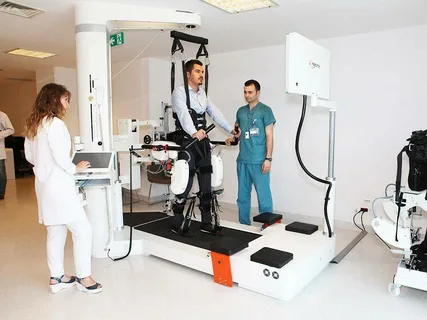
Robots are also being used in rehabilitation. Exoskeletons, which are wearable robotic devices, help people with mobility impairments regain movement and independence. In elderly care, companion robots provide companionship and assist with tasks like medication reminders, helping older adults live independently for longer.
Robotics in Everyday Life: From Smart Homes to Personal Assistants
Beyond industry and healthcare, robotics is increasingly becoming a part of our everyday lives. In homes, robots are making life easier through devices like robotic vacuum cleaners, lawn mowers, and personal assistants. These robots perform tasks that were once mundane but have now become automated, freeing up time for other activities.
Smart home technology is also integrating with robotics, with devices that can control lighting, heating, and security systems autonomously based on user preferences. Imagine a home that adjusts the temperature when you arrive or a security system that monitors your home and alerts you to any unusual activity.
Personal assistant robots, though still in their early stages, are evolving. Robots like Amazon’s Alexa and Google Assistant are examples of virtual assistants that can respond to voice commands, but the next generation of personal robots will go even further, offering face-to-face interaction, helping with chores, and providing more intuitive support.
The Future of Robotics: AI and Beyond
The future of robotics is intertwined with artificial intelligence (AI). As AI technologies continue to advance, robots will become increasingly capable of performing complex tasks autonomously. Machine learning algorithms allow robots to learn from their environment and adapt to new situations, making them more versatile and useful in a variety of fields.
In industries like agriculture, robots could take on roles like planting, harvesting, and monitoring crops, making farming more efficient and sustainable. In space exploration, robotic rovers are already being used to explore planets and gather data. Autonomous delivery drones and vehicles are another promising frontier, with companies working on creating fully self-driving systems that can safely navigate cities and rural areas.
Challenges and Ethical Considerations
While robotics offers tremendous potential, there are challenges and ethical concerns that need to be addressed. One of the biggest concerns is the impact of automation on jobs. As robots take over more tasks, there is the possibility of job displacement, particularly in sectors like manufacturing and transportation. Ensuring that displaced workers are retrained for new roles will be crucial to managing this shift.
There are also ethical considerations regarding the use of robots in sensitive fields like healthcare, law enforcement, and the military. For instance, the deployment of autonomous robots in warfare raises questions about accountability and the potential for misuse.
Conclusion: Embracing a Robotic Future
Robotics is no longer a distant dream but a present-day reality that is reshaping the way we live and work. As technology continues to evolve, we can expect robots to become even more integrated into every aspect of our lives, driving innovation, improving efficiency, and creating new opportunities. While there are challenges to overcome, the benefits of robotics are undeniable, offering a future where humans and robots can work together to create a better world.
As we look to the future, it’s clear that robotics will play an essential role in shaping the next wave of technological advancement. The key will be in harnessing the potential of robotics responsibly and ensuring that it benefits society as a whole. Whether in manufacturing, healthcare, or our daily lives, the rise of robotics is just the beginning of an exciting new era.
