

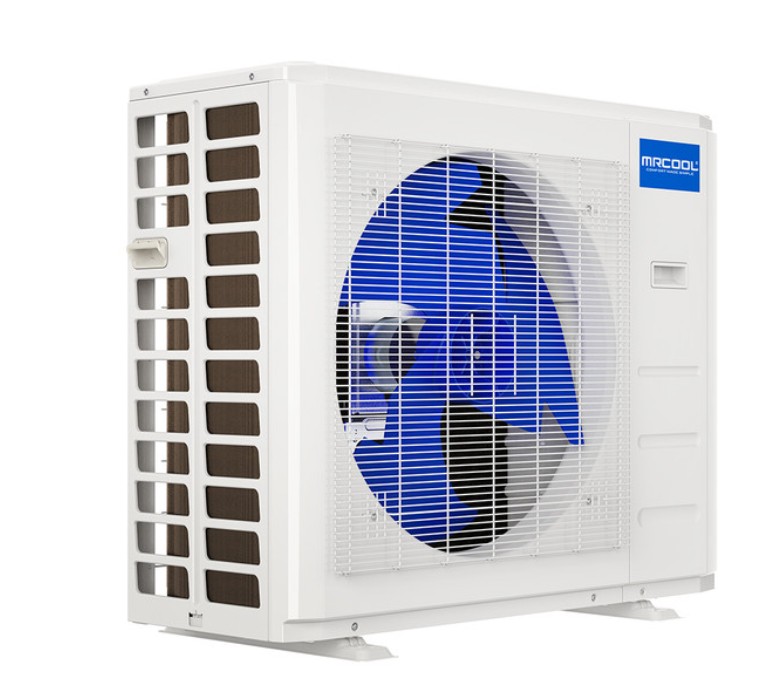
Installing a DIY 4th Gen Multi-Zone system offers an innovative way to control your home’s temperature efficiently. This system is not only energy-saving but also versatile, allowing you to maintain comfort in multiple zones independently. However, proper planning and execution are critical to achieving the best results. Below, we break down the 10 essential steps with detailed explanations to guide you through the process.
1. Understand the System
Before starting, knowing how the DIY 4th Gen Multi-Zone system functions is important. Essentially, this setup involves one outdoor unit connected to multiple indoor units, enabling precise temperature control in various zones. For instance, you can keep the living room cool during the day while maintaining a warmer temperature in the bedroom. Moreover, this system is designed to reduce energy consumption by targeting specific areas instead of cooling or heating the entire home.
2. Assess Your Space
Next, evaluate your home to determine the number of zones you need. Begin by considering the layout of your house. Are certain rooms used more frequently than others? For example, areas like the kitchen and living room might require individual temperature control. Additionally, check for insulation quality, as poor insulation can lead to inefficiency. A well-thought-out plan ensures that your system performs optimally and delivers the desired comfort.
3. Choose the Right Equipment
Selecting the appropriate DIY 4th Gen Multi-Zone system is crucial. Consider the size of your home, the number of zones required, and the cooling or heating capacity needed for each area. In addition, energy efficiency ratings should not be overlooked. Systems with higher SEER (Seasonal Energy Efficiency Ratio) ratings can significantly reduce your utility bills over time. Researching product reviews and consulting experts can help you make a more informed decision.
4. Plan the Installation Locations
Deciding where to place the indoor and outdoor units is a vital step. For indoor units, choose locations where airflow will be most effective, such as above doors or near windows. Conversely, the outdoor unit must have ample clearance to allow proper airflow and ease of maintenance. Furthermore, avoid placing the outdoor unit in enclosed spaces, as this can hinder performance. Planning these details carefully ensures a hassle-free installation process.
5. Gather the Required Tools
Proper preparation is key to a successful installation. Ensure you have all the necessary tools, including a drill, mounting brackets, refrigerant lines, and a level. Additionally, having a step ladder and protective gear, such as gloves and safety goggles, is highly recommended. By organizing your tools beforehand, you can avoid delays and complete the installation efficiently.
6. Install the Outdoor Unit
Begin the actual installation by setting up the outdoor unit. Place it on a stable surface, such as a concrete slab, and use vibration pads to minimize noise. Then, carefully connect the refrigerant lines, ensuring they are secure and leak-free. This step is particularly important because a poorly connected outdoor unit can lead to inefficiencies and higher energy costs. Moreover, double-check the connections to prevent future issues.
7. Mount the Indoor Units
For each zone, mount the indoor units securely. Choose a wall that can support the unit’s weight and ensure it is positioned at an appropriate height for optimal airflow. Use a level to align the unit correctly, as uneven mounting can affect performance. Additionally, ensure there is enough clearance around the unit for easy maintenance and proper air circulation. Taking these precautions helps the system operate smoothly.
8. Connect Refrigerant Lines and Wiring
This step involves connecting the refrigerant lines from the outdoor unit to the indoor units. Properly insulating these lines is essential to prevent energy loss and maintain system efficiency. At the same time, handle the electrical wiring with care, adhering to the manufacturer’s instructions. Incorrect wiring can cause malfunctions or even damage the system. To ensure safety, consider consulting a professional if you are unfamiliar with electrical work.
9. Test the System
Once the setup is complete, it’s time to test the system. Turn on the DIY 4th Gen Multi-Zone system and monitor its performance. Check if each zone is cooling or heating as intended. If you notice any irregularities, such as uneven temperatures or unusual noises, consult the troubleshooting section in the manual. Additionally, testing the system allows you to identify and resolve potential issues before regular use.
10. Perform Regular Maintenance
Finally, maintaining your system is critical for long-term efficiency. Clean the filters every few months to ensure optimal airflow and energy efficiency. Inspect the refrigerant lines periodically for leaks or damage. Furthermore, annual maintenance checks should be scheduled to address any wear and tear. Regular upkeep not only extends the lifespan of your system but also keeps your energy bills under control.
Conclusion
A DIY 4th Gen Multi-Zone system is an excellent investment for homeowners seeking flexibility and energy efficiency. This system allows for personalized temperature control, which means you can adjust settings based on your family’s preferences. Additionally, its energy-saving design reduces utility costs without compromising comfort. Furthermore, the DIY aspect can save money on installation while still achieving professional results.
Transform your home’s comfort with a multi-zone system today! Give control of your indoor climate to MASS HVAC DISTRIBUTORS while you enjoy energy savings.
