

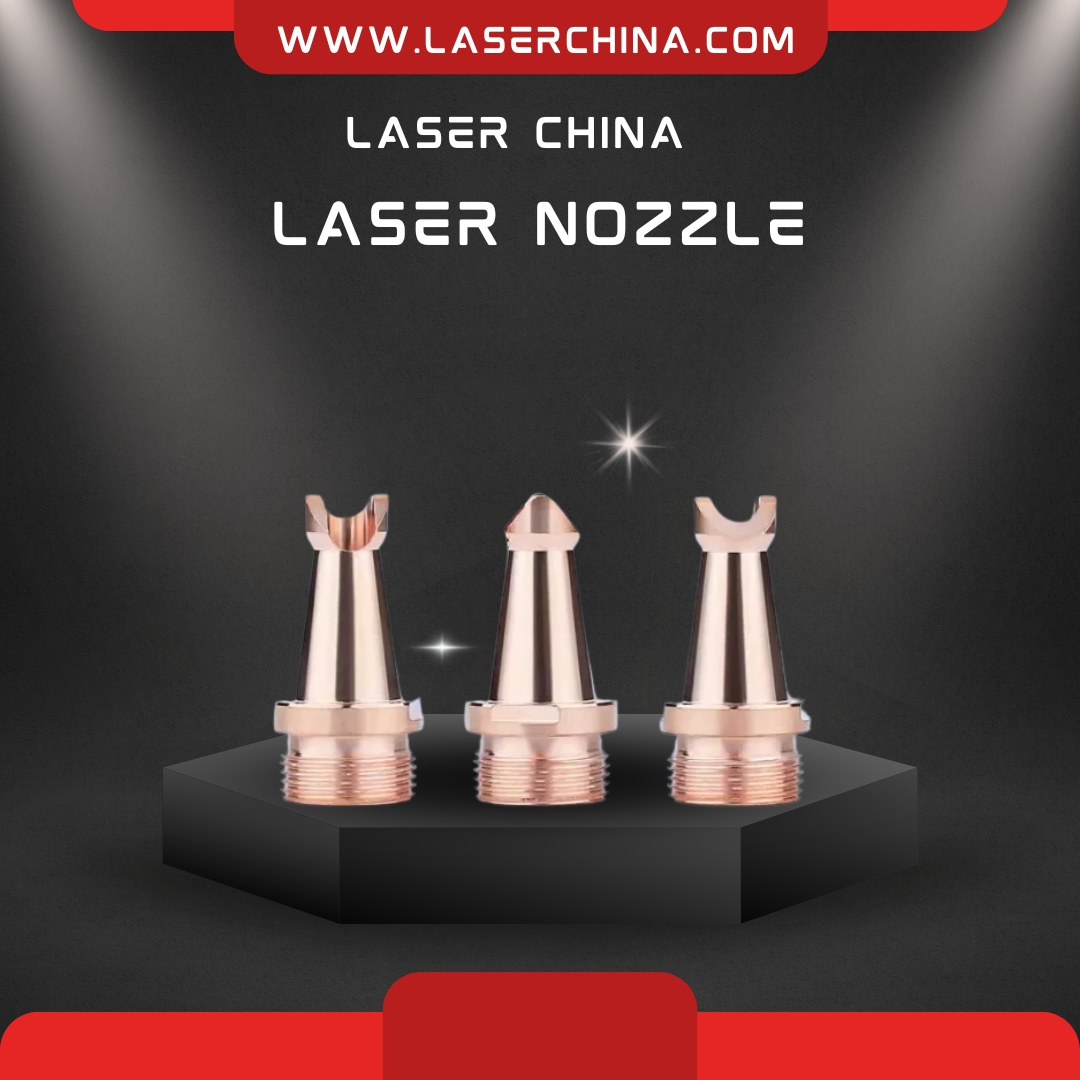
Laser cutting welding machines are advanced technologies commonly used in the manufacturing, automotive, aerospace, and construction industries. These machines utilize focused laser beams to cut, weld, and sometimes engrave materials with high precision. Their efficiency, accuracy, and versatility make them essential in various industrial applications.
Working Principle of Laser Cutting and Welding Machines
Laser cutting welding machines operate by emitting a high-energy laser beam, usually from a CO2, fiber, or solid-state laser. The laser is directed through optical lenses to focus on the material, creating a beam of light with immense intensity. This energy is absorbed by the material, causing it to melt, burn, or vaporize, depending on the process.
- Laser Cutting: The laser beam heats the material locally, causing it to melt or vaporize. A high-pressure stream of gas, such as nitrogen or oxygen, is used to blow away the molten material, ensuring a clean, precise cut. The process can cut through various materials, including metals (steel, aluminum, brass, etc.), plastics, wood, and composites.
- Laser Welding: In laser welding, the laser beam is focused on the joint area between two materials. The beam heats the material to its melting point, forming a molten pool. As the molten material solidifies, it forms a strong weld joint. Laser welding is particularly effective for joining thin sheets and delicate components, as it produces minimal heat-affected zones (HAZ) and reduces the risk of material deformation.
Advantages of Laser Cutting Welding Machines
- Precision and Accuracy: Laser cutting and welding machines provide unparalleled precision and accuracy. The focused laser beam can produce cuts and welds with tolerances as low as 0.1 mm, which is crucial for applications requiring tight-fitting parts. This is especially important in industries like aerospace, where the precision of components is critical to safety and performance.
- Speed and Efficiency: Laser machines operate at a high speed, reducing cycle times significantly compared to traditional cutting and welding methods. This is beneficial for mass production environments where efficiency and throughput are key considerations. The ability to cut and weld quickly without the need for additional tooling reduces overall production costs.
- Minimal Heat-Affected Zone (HAZ): Laser welding generates a concentrated heat source that melts only the area directly impacted by the laser beam. This results in a minimal heat-affected zone (HAZ), reducing the risk of distortion or weakening of the surrounding material. In laser cutting, the high-precision nature of the process reduces the thermal impact on the material edges, ensuring clean cuts.
- Reduced Material Waste: Since laser cutting and welding machines are highly precise, they minimize the material waste compared to traditional cutting methods. The precision of the cuts ensures that parts fit together properly, reducing the need for rework and excess material use.
- Versatility: Laser machines can handle a wide variety of materials, including metals, plastics, ceramics, and even composites. They can be used for both thin and thick materials, offering flexibility in different applications. Additionally, they can perform intricate designs, allowing for customization and adaptability in various industries.
Applications of Laser Cutting Welding Machines
- Automotive Industry: Laser cutting is commonly used in the automotive industry for cutting body panels, frames, and components with high accuracy. Laser welding is also employed in assembling parts, particularly for components like exhaust systems and chassis. Its ability to weld thin materials without distorting them makes it ideal for automotive production.
- Aerospace Industry: In aerospace, where precision and material strength are paramount, laser cutting and welding provide the accuracy and reliability needed to create critical components. Laser welding is used to join delicate parts made from materials like titanium and aluminum, ensuring structural integrity without affecting their mechanical properties.
- Metal Fabrication: Laser cutting is frequently used in metal fabrication for creating parts with complex geometries. From industrial machinery to consumer products, metal cutting is faster and more accurate with laser machines, making it a go-to solution in this field.
- Electronics Manufacturing: Laser cutting and welding are utilized in the production of delicate electronic components, where precision is necessary for creating fine patterns and joining parts. These processes are also used in engraving circuit boards and assembling microelectronic devices.
- Medical Device Manufacturing: Laser welding is employed in the production of medical devices and implants. It ensures that components are joined without compromising their structural integrity, which is crucial for items that require sterilization and biocompatibility.
Conclusion
Laser cutting and welding machines offer numerous advantages in industrial applications, such as high precision, minimal heat impact, efficiency, and versatility. These machines are indispensable in industries that require exacting standards, such as automotive, aerospace, electronics, and medical manufacturing. The technology continues to evolve, with improvements in laser types and automation making these machines even more effective in producing high-quality parts.
