

1. Introduction
Enterprise Resource Planning (ERP) and Human Resource Management Systems (HRMS) are integral tools in modern business operations. ERP software integrates various organizational functions, enabling seamless data sharing and process management across departments. Similarly, HRMS software is tailored to manage human resource activities, such as payroll, recruitment, and employee performance tracking.
The adoption of these technologies has transformed how companies operate, offering streamlined processes and data-driven decision-making capabilities. Whether a business is small or large, ERP and HRMS software provide scalable solutions that adapt to unique requirements, ensuring efficiency and growth.
2. What is ERP Software?
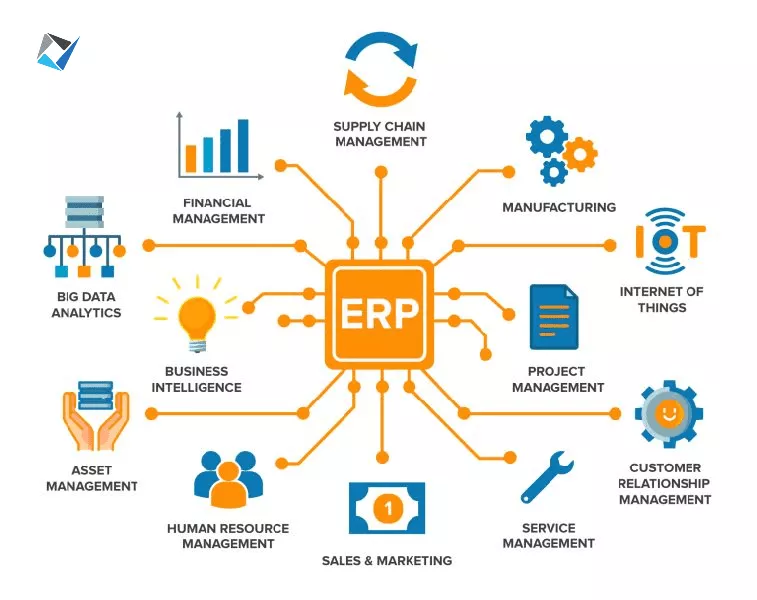
ERP software is a comprehensive system designed to integrate core business processes into a unified framework. It centralizes data from departments like finance, inventory, production, and sales, allowing real-time access and collaboration.
Businesses leveraging ERP systems benefit from reduced redundancies, increased productivity, and better decision-making. By offering modules tailored to industry-specific needs, ERP software provides flexibility and customization, making it a powerful tool across sectors.
3. Understanding HRMS Software
HRMS software is a digital solution for managing human resource functions efficiently. It automates routine tasks such as attendance tracking, payroll processing, and employee onboarding, freeing HR professionals to focus on strategic goals.
With advanced features like analytics and compliance management, HRMS software ensures that businesses not only handle HR functions seamlessly but also stay ahead of regulatory changes. Its ability to centralize employee data fosters transparency and accountability.
4. Key Features of ERP Software
ERP software offers various features to support business operations. These include financial management, inventory control, supply chain management, and customer relationship management (CRM).
Integration is at the heart of ERP systems, enabling all business units to work in harmony. For instance, sales data can inform production schedules, reducing overstock or shortages, and ultimately enhancing customer satisfaction.
5. Core Functions of HRMS Software
HRMS software is designed to simplify and automate HR tasks. Its core functions include employee data management, recruitment, payroll processing, and benefits administration.
Additionally, modern HRMS platforms often include performance management tools, training modules, and workforce analytics. These features provide HR teams with insights into employee productivity and help shape workforce strategies.
6. Benefits of Implementing ERP Software
Implementing ERP software brings numerous benefits, starting with improved operational efficiency. By integrating various business functions, ERP eliminates silos and fosters collaboration across departments.
Moreover, ERP systems enhance accuracy and reduce manual errors, thanks to automation. Businesses also gain access to real-time data, empowering them to make informed decisions and respond quickly to market changes.
7. Advantages of Using HRMS Software
HRMS software simplifies HR operations, reducing the time spent on administrative tasks. Automated processes, such as payroll and attendance tracking, minimize errors and ensure compliance with labor laws.
Furthermore, HRMS solutions enhance employee engagement by providing self-service portals for tasks like leave requests and benefit enrollments. They also help organizations identify and address workforce challenges through data-driven insights.
8. ERP and HRMS Integration: A Powerful Combination
Integrating ERP and HRMS software creates a cohesive system where business operations and human resource management work hand in hand. This integration enables a seamless flow of data between departments, improving overall efficiency.
For instance, when an HRMS tracks employee performance and payroll, this data can feed into the ERP system for financial analysis. Such synergy allows businesses to align their strategies and achieve organizational goals more effectively.
9. Industries Benefiting from ERP and HRMS Software
ERP and HRMS software cater to diverse industries, including manufacturing, healthcare, retail, and education. Each sector benefits uniquely from these technologies based on their operational needs.
For example, in manufacturing, ERP ensures smooth supply chain operations, while HRMS manages workforce scheduling and compliance. In the healthcare sector, HRMS aids in managing staffing needs, while ERP streamlines billing and patient records.
10. Choosing the Right ERP Software
Selecting the right ERP software involves understanding your business needs. Evaluate factors such as scalability, ease of use, and compatibility with existing systems.
Also, consider whether the ERP system offers industry-specific modules. Conducting a thorough needs analysis and involving stakeholders in the selection process ensures the chosen software aligns with organizational goals.
11. Picking the Best HRMS Software for Your Organization
When choosing HRMS software, assess its features, such as employee self-service, compliance tracking, and data analytics. The system should support your HR processes and integrate well with other tools.
User-friendliness is another crucial factor. A complex system may deter adoption by employees. Additionally, ensure the software is scalable, keeping in mind future growth and workforce expansion.
12. The Future of ERP and HRMS Software
As technology evolves, ERP and HRMS systems are also advancing. Artificial intelligence (AI) and machine learning (ML) are being integrated into these platforms, enabling predictive analytics and intelligent automation.
The adoption of cloud-based ERP and HRMS solutions is another trend, offering greater flexibility, accessibility, and cost efficiency. As businesses continue to embrace digital transformation, these systems will remain critical to their success.
Conclusion
ERP and HRMS software have revolutionized the way businesses operate, offering tools to enhance efficiency, accuracy, and decision-making. Their integration further amplifies these benefits, providing a comprehensive approach to managing operations and human resources.
By choosing the right ERP and HRMS solutions, businesses can streamline processes, reduce costs, and foster a culture of innovation and growth. Investing in these technologies is not just a step towards modernization but a strategy for long-term success.
