

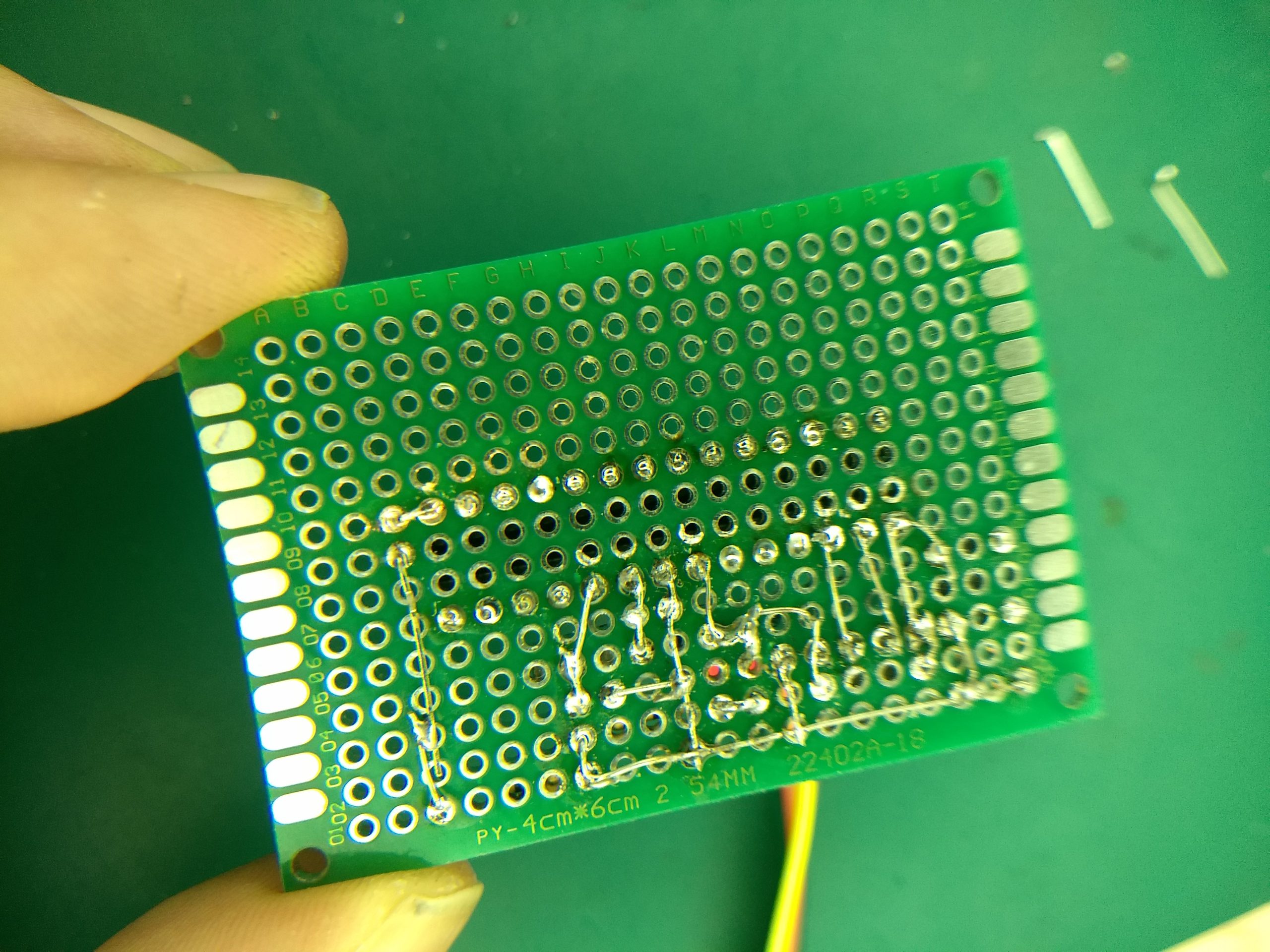
The journey from concept to a fully functional electronic product often begins with one crucial step: PCB prototyping. A PCB prototype bridges the gap between an idea and its physical realization, serving as a critical testing phase to validate designs and ensure performance. Over the years, the evolution of PCB prototyping methods has transformed the way engineers and manufacturers bring innovative concepts to life.
This article explores the history, advancements, and key techniques in PCB prototyping, highlighting why a reliable PCB prototype is indispensable for modern electronics.
The Early Days of PCB Prototyping
In the early stages of PCB development, prototyping was a labor-intensive and time-consuming process. Engineers relied on manual methods such as hand-drawing circuit layouts or using adhesive tape on transparent sheets to create circuit patterns. These designs were then transferred to boards through chemical etching, a painstaking process prone to errors.
While these early methods laid the groundwork for circuit board manufacturing, they lacked precision and scalability, limiting the complexity of designs that could be prototyped.
The Rise of Computer-Aided Design (CAD)
The introduction of computer-aided design (CAD) tools revolutionized PCB prototyping. Designers could now create detailed, accurate circuit layouts digitally, eliminating the need for manual drafting. CAD software allowed for complex multilayer designs, faster iterations, and the ability to simulate circuits before physical prototyping.
This shift not only accelerated the prototyping process but also improved accuracy, paving the way for the next generation of PCB prototypes.
Modern PCB Prototyping Methods
Today, PCB prototyping leverages advanced technologies to ensure speed, precision, and reliability. Below are some of the most widely used modern methods:
1. 3D Printing for PCB Prototyping
3D printing has emerged as a game-changer in the prototyping industry. By enabling additive manufacturing of PCBs, 3D printing allows for rapid production of prototypes with complex geometries. This technology is particularly useful for iterative designs, where quick adjustments and testing are crucial.
2. Laser Direct Imaging (LDI)
LDI is a cutting-edge technique that directly transfers circuit patterns onto a photosensitive material using a laser. This method enhances precision and reduces errors associated with traditional photomasking. LDI is ideal for creating prototypes with high-density interconnects and intricate designs.
3. CNC Machining
Computer Numerical Control (CNC) machining is another popular method for PCB prototyping. CNC machines mill away unwanted material from a copper-clad board to form the desired circuit pattern. This process ensures high accuracy and repeatability, making it suitable for both single-layer and multilayer PCB prototypes.
4. Rapid Turnaround Services
Many manufacturers now offer rapid prototyping services, enabling designers to receive functional prototypes in as little as 24 hours. These services leverage state-of-the-art equipment and streamlined processes to meet tight development timelines.
Advantages of Modern PCB Prototyping
The advancements in PCB prototyping methods have brought several benefits to engineers and manufacturers:
Faster Time-to-Market
With rapid prototyping techniques, companies can test and refine designs quickly, reducing the overall development timeline.
Cost Efficiency
Modern methods minimize material waste and the need for rework, cutting down on prototyping costs.
Improved Design Validation
Prototypes enable thorough testing of functionality, reliability, and manufacturability, reducing the risk of errors in the final product.
Support for Complex Designs
Advanced prototyping methods accommodate high-density circuits, flexible PCBs, and multilayer designs, allowing for greater innovation.
The Role of PCB Prototypes in Innovation
A reliable PCB prototype plays a pivotal role in fostering innovation across industries. From consumer electronics to aerospace and medical devices, prototyping enables designers to explore bold ideas while minimizing risks.
In industries like IoT and wearable technology, where compact and intricate designs are standard, PCB prototyping ensures that these devices perform flawlessly under real-world conditions. For instance, developers can use prototypes to test signal integrity, thermal performance, and mechanical durability before committing to mass production.
If you’re ready to accelerate your innovation journey, click this link here now for access to cutting-edge PCB prototyping services designed to bring your ideas to life.
The Future of PCB Prototyping
The future of PCB prototyping is poised to be even more dynamic, driven by advancements in materials, automation, and artificial intelligence. Emerging trends like flexible hybrid electronics (FHE), stretchable circuits, and conductive inks promise to expand the possibilities of what PCB prototypes can achieve.
Moreover, the integration of AI into prototyping workflows will enable predictive analysis, design optimization, and automated error detection, further enhancing the efficiency of the development process.
Conclusion
From hand-drawn layouts to AI-driven rapid prototyping, the evolution of PCB prototyping methods has been a testament to human ingenuity and technological progress. As electronic designs become increasingly complex, the demand for precise, high-quality PCB prototypes continues to grow.
For manufacturers, engineers, and innovators, partnering with a trusted prototyping service provider is key to staying competitive in today’s fast-paced market. Whether you’re refining a new concept or scaling up production, modern PCB prototyping methods offer the tools you need to turn ideas into reality.
