

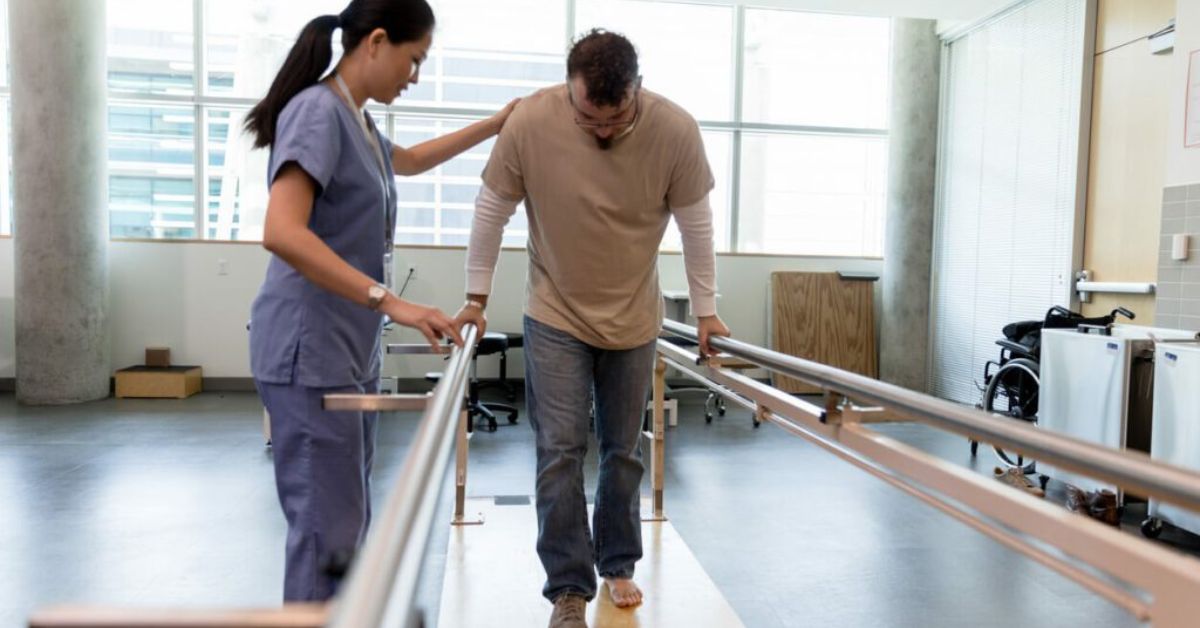
Injuries, whether they occur due to sports, accidents, or daily activities, can be frustrating and disruptive. Recovery often takes time, and the rehabilitation process is a critical factor in regaining strength and mobility. However, the way you approach your rehabilitation can greatly impact how quickly and effectively you heal. At Know Your Health, we understand that the road to recovery can be long, but with the right strategies, it’s possible to recover faster and return to your normal activities.
In this blog, we’ll explore five rehabilitation tips that can help speed up your injury recovery process. These tips focus on the holistic approach to healing—combining physical care, mental focus, and lifestyle changes for the best outcomes.
1. Follow a Structured Rehabilitation Plan
One of the most important steps in recovering from an injury is having a structured rehabilitation plan. After an injury, especially if it’s severe, it’s crucial to work with healthcare professionals to create a plan that addresses your specific needs. A well-designed plan will include exercises, stretches, and other treatments aimed at restoring your mobility, strength, and functionality.
At Know Your Health, we recommend that you collaborate with physical therapists, doctors, or injury specialists to establish a comprehensive rehabilitation program. This program will typically be customized to your injury, ensuring that each stage of healing is properly addressed. A well-structured rehabilitation plan should include:
- Initial Rest and Protection: In the early stages, your body may need rest to prevent further injury.
- Range of Motion Exercises: These exercises can help maintain flexibility and prevent stiffness.
- Strengthening Exercises: As your injury heals, targeted exercises can help rebuild strength in the affected area.
- Functional Training: These exercises restore your ability to perform everyday tasks safely.
Consistent and guided rehabilitation will ensure that you’re progressing through the necessary stages of recovery without overexerting yourself. Know Your Health stresses the importance of following your rehabilitation plan and not skipping steps to avoid setbacks in your recovery.
2. Focus on Rest and Recovery
While physical activity is important during rehabilitation, rest is equally essential for the healing process. Rest allows your body to repair tissues, reduce inflammation, and regain energy for the next stage of rehabilitation. Without adequate rest, you risk exacerbating the injury and prolonging the healing time.
Depending on the severity of your injury, Know Your Health recommends balancing periods of rest with light activity, particularly in the early stages. Too much activity can impede the recovery process, while too little activity can lead to stiffness and weakened muscles. Listen to your body, and make sure to prioritize quality sleep as well. Sleep is vital for tissue repair and overall health, contributing significantly to the recovery process.
Some specific tips for rest include:
- Elevate and ice the injured area when necessary.
- Avoid high-impact or strenuous activities that could strain the injured area.
- Take breaks during rehabilitation exercises to avoid overworking your body.
Remember, rehabilitation is a process, and rest plays a key role in making that process more efficient.
3. Manage Pain Effectively
Pain is a common experience during the rehabilitation process, but managing it properly can help you maintain your progress and avoid setbacks. It’s essential to address pain in a way that doesn’t interfere with your ability to engage in rehabilitation exercises. Over time, reducing and managing pain can help you progress faster.
At Know Your Health, we recommend a few strategies to manage pain effectively:
- Ice and Heat Therapy: Apply ice to the injured area during the initial phase to reduce inflammation. After a few days, you can alternate between heat and ice therapy to promote circulation and reduce pain.
- Anti-inflammatory Medications: Over-the-counter medications like ibuprofen can help manage inflammation and pain. However, always consult with your doctor before taking any medication to ensure it’s safe for your specific condition.
- Topical Analgesics: Creams, gels, or sprays designed to relieve pain can be applied directly to the affected area.
- Physical Therapy Techniques: Your physical therapist may incorporate specific techniques, such as massage therapy, dry needling, or modalities like ultrasound to reduce pain and improve healing.
By effectively managing pain, you can continue with your rehabilitation plan without pushing your body too hard. However, it’s essential to discuss any pain management methods with a healthcare provider to ensure they’re appropriate for your condition.
4. Stay Active Within Your Limits
While rest is important, complete inactivity can also hinder the healing process. Staying active within your physical limitations promotes circulation, flexibility, and overall well-being. Depending on the injury, there may be gentle exercises that you can do early on in your recovery to maintain mobility and prevent the loss of strength.
At Know Your Health, we encourage individuals to engage in low-impact activities, such as:
- Swimming or water aerobics, which reduce pressure on joints and muscles.
- Walking, which is often recommended for many types of injuries, as it’s a weight-bearing activity that helps promote circulation.
- Cycling, using a stationary bike, can be helpful for recovering from lower body injuries without putting too much strain on the muscles.
You should always discuss these options with your doctor or therapist before starting any exercises to ensure they are safe for your specific injury. Staying active at the right intensity can accelerate the healing process while preventing the injury from becoming stiff or weak.
5. Maintain a Healthy Diet and Hydration
Nutrition plays a pivotal role in the rehabilitation process. The body needs an adequate supply of vitamins, minerals, proteins, and fats to repair tissues, reduce inflammation, and maintain overall energy. Additionally, hydration is crucial for joint lubrication, reducing swelling, and aiding digestion.
At Know Your Health, we emphasize the importance of incorporating nutrient-dense foods into your diet, such as:
- Protein-rich foods (chicken, turkey, fish, beans, and legumes) to repair muscle tissue.
- Anti-inflammatory foods, such as leafy greens, berries, and fatty fish (salmon, mackerel, sardines), which can help reduce swelling and promote healing.
- Vitamin C (citrus fruits, bell peppers, strawberries) for collagen production and tissue repair.
- Calcium and Vitamin D (dairy products, leafy greens, fortified plant-based milks) to strengthen bones.
- Healthy fats from sources like avocado, olive oil, and nuts to reduce inflammation.
Also, drink plenty of water throughout the day to stay hydrated. Adequate hydration is essential for the transport of nutrients to injured tissues, which can speed up the healing process.
Conclusion
Recovering from an injury requires patience, effort, and dedication, but following the right rehabilitation tips can significantly speed up the process. Whether you’re healing from a sports injury, an accident, or surgery, Know Your Health encourages you to follow a structured rehabilitation plan, rest appropriately, manage pain effectively, stay active within your limits, and maintain a healthy diet. By taking a holistic approach to rehabilitation, you can ensure that you heal faster, reduce the risk of re-injury, and return to your normal activities as quickly as possible. Always consult with healthcare professionals to customize your rehabilitation plan and track your progress as you go.
Read More ( Click here )
