

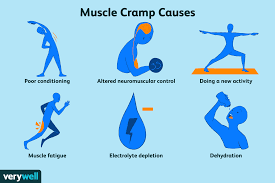
Muscle aches can strike without warning. They disrupt daily life and make even simple tasks feel overwhelming. Understanding the causes and finding effective relief is essential. This guide explores the common reasons behind sudden muscle aches and offers practical solutions to ease the discomfort.
What Causes Sudden Muscle Aches?
Muscle aches, also known as myalgia, can result from various factors. Identifying the root cause is the first step toward relief. Here are some common culprits:
Overexertion During Physical Activity
Pushing your body too hard during exercise or physical labor often leads to muscle soreness. This happens because intense activity causes tiny tears in muscle fibers. The body repairs these tears, leading to stronger muscles, but the process can cause temporary pain.
Dehydration and Electrolyte Imbalance
Water and electrolytes like potassium and sodium are crucial for muscle function. Dehydration or an imbalance in electrolytes can cause muscles to cramp or ache. This is especially common after intense workouts or in hot weather.
Infections and Illnesses
Viral infections like the flu or common cold often cause muscle aches. The body’s immune response to these infections triggers inflammation, leading to soreness. Bacterial infections, such as Lyme disease, can also cause muscle pain.
Stress and Tension
Chronic stress causes muscles to tighten and remain contracted for long periods. This tension often leads to aches, particularly in the neck, shoulders, and back. Stress-related muscle pain is a common issue in today’s fast-paced world.
Poor Posture
Sitting or standing in an incorrect position for extended periods strains muscles. Poor posture often leads to aches in the back, neck, and shoulders. Over time, this strain can cause chronic pain.
Medications and Medical Conditions
Certain medications, like statins for cholesterol, can cause muscle pain as a side effect. Medical conditions such as fibromyalgia, arthritis, or thyroid disorders also contribute to muscle aches.
How to Find Relief from Sudden Muscle Aches
Once you identify the cause, you can take steps to alleviate the pain. Here are some effective methods to find relief:
Rest and Recovery
Rest is one of the simplest yet most effective ways to relieve muscle aches. Give your body time to heal, especially after overexertion. Avoid strenuous activities until the pain subsides.
Hydration and Nutrition
Drink plenty of water to stay hydrated. Include foods rich in electrolytes, such as bananas, spinach, and nuts, in your diet. Proper hydration and nutrition support muscle function and reduce the risk of cramps.
Gentle Stretching and Exercise
Light stretching can ease muscle tension and improve flexibility. Avoid intense workouts until the pain decreases. Activities like yoga or walking promote blood flow and aid recovery.
Heat and Cold Therapy
Apply a warm compress or heating pad to relax tight muscles. Cold packs can reduce inflammation and numb the pain. Alternate between heat and cold for maximum relief.
Over-the-Counter Pain Relievers
Non-prescription medications like ibuprofen or acetaminophen can reduce pain and inflammation. Use these as directed and consult a doctor if the pain persists.
Massage and Foam Rolling
Massaging sore muscles improves blood circulation and reduces tension. Foam rolling is another effective technique to release muscle tightness and promote recovery.
Improve Posture
Pay attention to your posture while sitting, standing, or walking. Use ergonomic furniture and take breaks to stretch if you have a desk job. Proper posture reduces strain on muscles.
Manage Stress
Practice relaxation techniques like deep breathing, meditation, or mindfulness. Reducing stress levels helps prevent muscle tension and associated aches.
Consult a Healthcare Professional
If muscle aches persist or worsen, seek medical advice. A doctor can diagnose underlying conditions and recommend appropriate treatment.
Preventing Sudden Muscle Aches
Prevention is always better than cure. Incorporate these habits into your routine to minimize the risk of muscle aches:
Warm-Up Before Exercise
Always warm up before engaging in physical activity. Gentle stretches and light movements prepare your muscles for more intense exercise.
Stay Hydrated
Drink water throughout the day, especially during workouts or in hot weather. Proper hydration prevents muscle cramps and soreness.
Maintain a Balanced Diet
Eat a diet rich in vitamins, minerals, and protein. Nutrients like magnesium and potassium support muscle health and reduce the risk of aches.
Exercise Regularly
Regular physical activity strengthens muscles and improves flexibility. Include a mix of cardio, strength training, and stretching in your routine.
Practice Good Posture
Be mindful of your posture during daily activities. Use supportive chairs and avoid slouching to prevent muscle strain.
Manage Stress Levels
Incorporate stress-relief practices into your daily life. Activities like yoga, meditation, or hobbies can help keep stress at bay.
Get Enough Sleep
Adequate sleep is essential for muscle recovery. Aim for 7-9 hours of quality sleep each night to support overall health.
When to Seek Medical Attention
While most muscle aches are harmless and resolve on their own, some cases require medical attention. Consult a doctor if you experience:
- Severe pain that doesn’t improve with rest or home remedies
- Swelling, redness, or warmth around the affected area
- Muscle weakness or difficulty moving
- Signs of infection, such as fever or chills
- Unexplained weight loss or fatigue
These symptoms could indicate a more serious condition that needs professional treatment.
Conclusion
Sudden muscle aches are a common issue with various causes. Overexertion, dehydration, stress, and poor posture are frequent culprits. Finding relief involves rest, hydration, gentle stretching, and stress management. Preventive measures like regular exercise, good posture, and a balanced diet can reduce the risk of muscle aches. If pain persists or worsens, consult a healthcare professional for proper diagnosis and treatment. By understanding the causes and taking proactive steps, you can manage muscle aches effectively and maintain a healthy, active lifestyle.
