

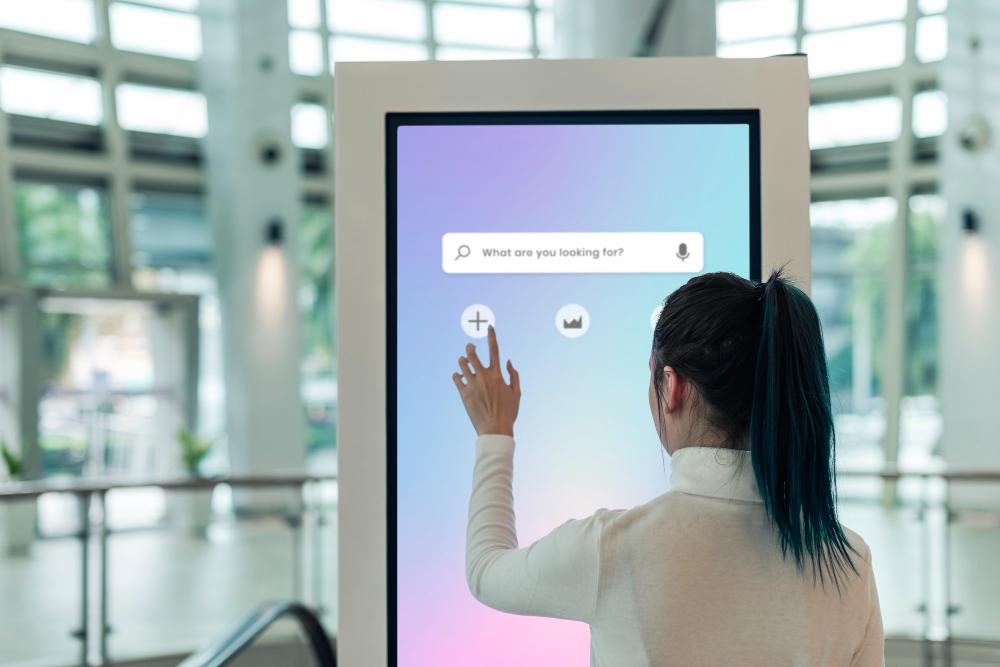
Indoor LED Panel Screens: A Versatile Display Solution
Indoor LED panel screens have revolutionized the way we display information and engage audiences. These versatile displays offer high-resolution visuals, customizable designs, and energy efficiency, making them ideal for a wide range of applications.
What is an Indoor LED Panel Screen?
An indoor LED panel screen is a display technology that uses light-emitting diodes (LEDs) to produce images. It consists of multiple LED modules arranged in a matrix to form a larger display. These modules emit light directly, eliminating the need for a backlight, resulting in high brightness, energy efficiency, and long lifespan.
Types of Indoor LED Panel Screens
- Direct View LED Displays: Direct View LED displays are composed of individual LED modules that emit light directly. They offer excellent image quality, high brightness, and wide viewing angles.
- Advantages:
- High brightness and contrast ratio
- Wide viewing angles
- Long lifespan
- Customizable sizes and shapes
- Applications:
- Retail signage
- Corporate presentations
- Event staging
- Control rooms
- Advantages:
- Video Wall Displays: Video wall displays consist of multiple LED screens seamlessly joined together to create a larger display. They are ideal for displaying dynamic content, such as live feeds, presentations, and digital signage.
- Advantages:
- Customizable sizes and shapes
- High resolution and clarity
- Easy content management
- Versatile applications
- Applications:
- Control rooms
- Digital signage
- Event venues
- Corporate lobbies
- Advantages:
- Transparent LED Displays: Transparent LED displays are a cutting-edge technology that allows for stunning visual effects. They can be used to create dynamic window displays, interactive installations, and eye-catching signage.
- Advantages:
- Transparent design for unique visual effects
- High brightness and contrast ratio
- Customizable shapes and sizes
- Indoor and outdoor applications
- Applications:
- Retail window displays
- Museum exhibits
- Architectural installations
- Event staging
- Advantages:
- Fine-Pitch LED Displays: Fine-pitch LED displays offer high resolution and pixel density, making them ideal for close-up viewing. They are commonly used in control rooms, broadcast studios, and high-end retail environments.
- Advantages:
- High resolution and clarity
- Wide color gamut
- High refresh rate
- Suitable for close-up viewing
- Applications:
- Control rooms
- Broadcast studios
- High-end retail displays
- Command centers
- Advantages:
Key Functions of Indoor LED Panel Screens
- Information Display: LED screens can display text, images, and videos, making them ideal for advertising, menu boards, and digital signage.
- Real-time Data Visualization: They can display real-time data, such as stock market information, weather updates, and sports scores.
- Interactive Experiences: LED screens can be interactive, allowing users to control content and engage with the display.
- Brand Promotion: They can be used to promote brands and products through eye-catching visuals and animations.
- Enhanced Presentations: LED screens can enhance presentations and meetings by providing high-quality visuals and multimedia content.
FAQs
- What are the benefits of using LED panel screens?
LED panel screens offer several benefits, including high brightness, energy efficiency, long lifespan, and customizable designs. They can be used to create stunning visual displays that attract attention and enhance brand visibility. - How do LED panel screens work?
LED panel screens are composed of individual LED modules that emit light when an electric current is applied. These modules are arranged in a matrix to form a larger display. - What are the different types of LED panel screens?
The main types of indoor LED panel screens include Direct View LED displays, Video Wall displays, Transparent LED displays, and Fine-Pitch LED displays. Each type has its own unique characteristics and applications. - How much do LED panel screens cost?
The cost of an LED panel screen depends on various factors, including size, resolution, pixel pitch, and additional features. It’s best to consult with a supplier to get an accurate price quote. - How do I maintain an LED panel screen?
LED panel screens require minimal maintenance. Regular cleaning and occasional module replacements are typically sufficient. It’s recommended to hire a professional technician for any major repairs or maintenance.
