

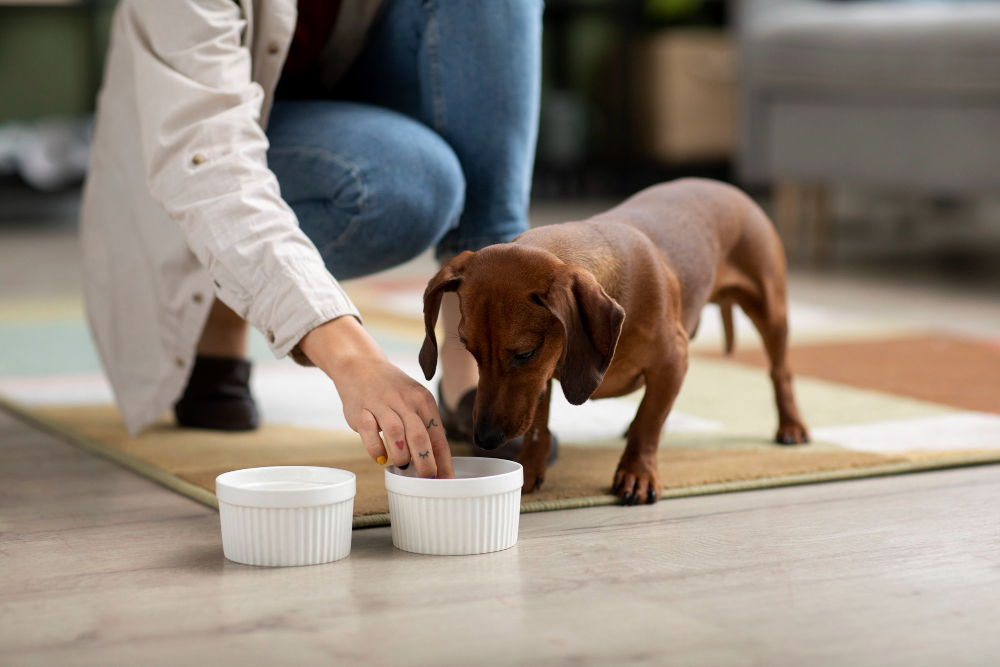
Care for your furry friend involves meeting some nutritional requirements, especially if your furry friend is one of the small breed dogs. Small breed dogs’ diets are quite different from that of large breed dogs. Choosing the best dog food available will play a very crucial role in their health, energy, and overall activity. In this blog, we explore the nutritional needs of small dogs and what to look out for while getting the best dog food for them.
Understanding the Nutritional Requirements of the Small Breed
While most dogs are divided into huge and small classes in general understanding, the small breed size is generally defined as weighing less than 20 pounds. Large, specialized smaller dogs have unique nutritional requirements that take into account their size, metabolism, and activity level. Some considerations:
Higher Metabolism
Small breeds will have a faster metabolism than big ones. Since small dogs generally burn calories quickly, food must give them enough energy. You will look for calorie-dense pet food that will provide your small dog with a healthy amount of nutrients without consuming too much.
Protein requirement
Protein is a must for all dogs, but small breeds require a higher percentage of protein to maintain energy levels and muscle. So always look for dog food containing 20–30% protein from high-quality sources such as chicken, beef, or fish, which facilitate healthy growth and development, particularly in puppies.
Fat Content
Healthy fats are essential for energy and overall well-being. Smaller dogs need diets with moderate fat content, which is 8–15%. Look for pet foods having sources of omega-3 and omega-6 fatty acids in the form of fish oil or flaxseed for a healthy coat and skin.
Gastrointestinal Health
Small dogs tend to have digestive problems, so finding food that helps keep the digestive system going is very essential. Probiotics and prebiotics in formulas may help maintain a gut flora that will ensure good health. Another feature you should look at in dog foods is that ingredients are easily digestible, so there is little gastrointestinal upset.
Nutrient Balance
Small dogs require a balanced diet. When you select pet food for small dogs, look for a product that contains several vitamins and minerals, such as calcium, phosphorus, and vitamins A, D, and E. These support the dog’s bones, his or her immune system, and overall condition in general.
Dog Food Formulas for Small Breed Dogs: What You Should Know
As you choose a dog food for your small breed, consider the following:
Kibble Size
Small breeds require kibbles that are small in dimension. The smaller the dimensions, the easier it is for them to chew and digest. Brands that specialize in small breeds usually adhere to the norms of small breeds in design.
Ingredient Quality
Never miss to look at the ingredient list. Better quality pet food must have first real meat, then whole grains, vegetables, and fruits. Avoid foods containing fillers, artificial preservatives, or by-products—less nutritious and harder to digest for your dog.
Life Stage Formulas
Select the appropriate food for the different life stages of your dog. Dogs change with time; therefore, their different life stages call for different feeding arrangements. Puppy foods have a higher calorie and protein content because they grow very fast, whereas older dogs will be the ones that may have joint health concerns while having fewer calories to keep them lean to avoid obesity.
Special diets
If your small dog has specific sensitivities or allergies, such as to certain food ingredients, then try to find pet foods designed to address those problems. Dogs suffering from food allergies can benefit from limited-ingredient diets or hypoallergenic formulas.
Brand Reputation
Do research on the brand’s reputation and history. Seek companies that show a care about quality control and reputation for producing safe, nutritious pet food. Reading reviews, even asking your veterinarian for their recommendations, can serve as a good decision-maker.
Feeding Guidelines for Small Dogs
Once you have selected a quality pet food to feed your small dog, follow the feeding guidelines:
- Rationing: Compared to large dogs, small dogs require fewer amounts. Always refer to dog food packaging for proper adjustments according to your dog’s weight, age, and activity.
- Regular Feeding Routine: The body holds an almost consistent metabolism if the smaller dog is fed more uniformly, ideally two to three times a day, preventing them from overeating.
- Monitor Weight: Continue keeping an eye on your dog’s body weight and condition. In case you notice a significant change, it would be best to consult your veterinarian about adjusting the diet of your dog.
Conclusion
The nutritional needs of small-sized dogs must be understood to ensure the healthy and happy life of the pet. High-quality food that caters to the specific dietary requirements of your dog will assure you that your furry friend lives his life to the fullest. Factors to look at when deciding on your dog food include protein content, kibble size, and quality of the ingredients used. Of course, proper nutrition will stimulate your small dog to enjoy the energy and zest to live.
