

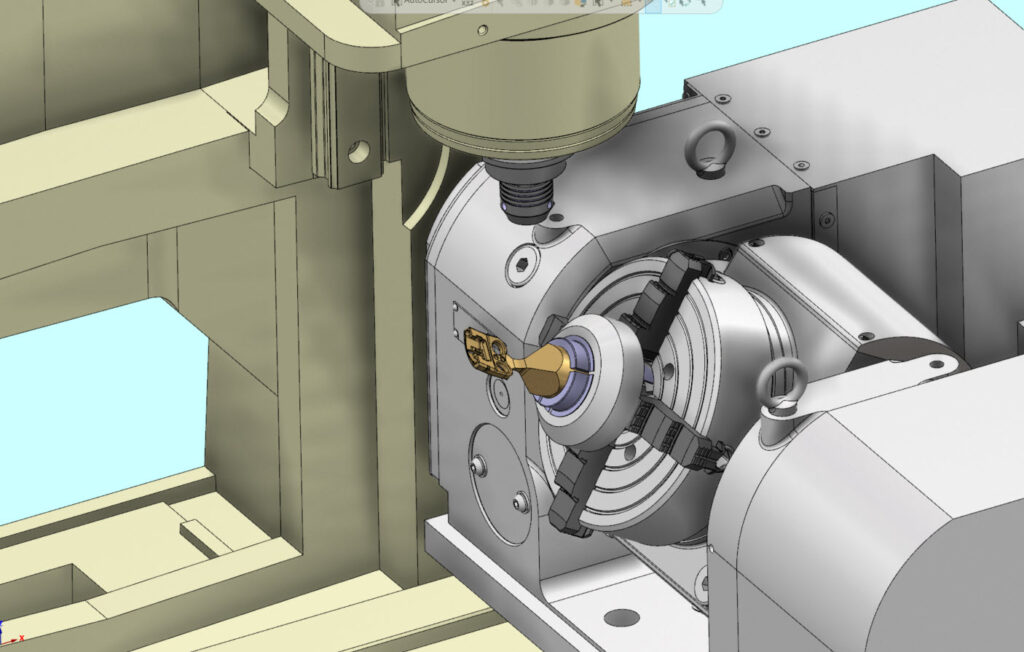
In recent years, the intersection of technology and healthcare has ushered in numerous innovations, leading to the development of more effective treatments, surgeries, and medical devices. One of the most impactful advancements has been the use of Medical CNC (Computer Numerical Control) technology. This technology, which originated in the manufacturing and machining industries, has made its way into healthcare, transforming the way medical devices and surgical tools are designed, produced, and used.
What is Medical CNC?
Computer Numerical Control (CNC) refers to a system where computers are used to control machine tools like lathes, mills, and grinders. These machines are programmed with precise instructions that guide them through various manufacturing processes, allowing them to produce parts with high precision and accuracy. In the medical field, CNC technology is used to manufacture a variety of medical components, from custom prosthetics to surgical instruments and implants. The integration of CNC into medicine has not only improved the speed and efficiency of manufacturing but also enhanced the quality and precision of medical devices, ultimately improving patient outcomes.
The Role of CNC in the Production of Medical Devices
Medical CNC technology is widely used in the design and production of medical devices, playing a critical role in fields such as orthopedics, dental care, and minimally invasive surgery. The technology enables manufacturers to produce components that are both complex in design and precise in functionality. This ability to manufacture intricate, high-quality components is particularly important in fields where the smallest error could have significant consequences.
1. Custom Prosthetics and Implants
One of the most notable applications of CNC technology in healthcare is in the production of custom prosthetics and implants. Traditional methods of creating prosthetic limbs or implants often resulted in a one-size-fits-all approach, which didn’t always provide the best fit for patients. With CNC, however, it is now possible to create personalized prosthetics tailored to an individual’s specific anatomical requirements.
For example, orthopedic surgeons can use 3D imaging techniques to scan a patient’s body, creating a digital model of their bones or joints. This model can then be fed into a CNC machine, which uses the data to create a custom prosthetic or implant that fits perfectly. The precision of CNC technology ensures that these devices work more efficiently, improve patient comfort, and reduce the risk of complications associated with ill-fitting medical devices.
2. Surgical Tools and Instruments
The precision provided by CNC machines is also indispensable in the creation of surgical tools and instruments. Tools used in delicate surgeries, such as heart surgery, neurosurgery, and dental procedures, must meet stringent standards of accuracy. CNC technology allows for the mass production of surgical tools like scalpels, forceps, and needles with incredibly fine tolerances.
The ability to manufacture surgical instruments with high levels of precision ensures that they perform better, are more durable, and result in fewer errors during procedures. Moreover, CNC machines can be used to create custom surgical instruments, enabling surgeons to have the exact tools they need for specific procedures. This customization leads to better outcomes and enhanced safety for patients.
3. Medical Equipment Components
CNC machines are also crucial in the production of components for a wide range of medical equipment such as diagnostic machines, imaging systems, and hospital beds. Parts like connectors, housings, and knobs must be crafted with precise tolerances to ensure the reliability and functionality of medical devices.
Given the critical nature of the medical equipment sector, ensuring that each component fits perfectly and functions optimally is vital for maintaining the quality and accuracy of diagnostic tools, life-saving equipment, and therapeutic devices. CNC manufacturing meets these demands by offering high levels of accuracy and repeatability in large-scale production.
Advantages of Medical CNC Technology
The integration of CNC technology into the medical field offers a range of advantages, from improved precision and quality to increased efficiency and cost-effectiveness.
1. Unmatched Precision and Accuracy
The primary advantage of CNC technology in the medical field is its ability to produce components with exceptional precision and accuracy. Medical devices often require very tight tolerances to ensure they function as intended. Even minor deviations in measurements could result in equipment failure or compromised patient safety. CNC machines are capable of producing parts with tolerances as tight as a few microns, ensuring that medical devices are crafted with the highest degree of accuracy.
2. Customization and Personalization
Medical CNC allows for the customization of devices to fit individual patients’ needs. From personalized prosthetics to custom implants and surgical tools, CNC technology enables the production of tailor-made solutions. Customization can significantly improve patient comfort and satisfaction, as well as enhance the functionality of medical devices. For example, a custom prosthetic that fits precisely will be more comfortable and less likely to cause skin irritation or discomfort compared to a standard, off-the-shelf prosthetic.
3. Efficiency and Speed
CNC technology can dramatically speed up the manufacturing process while maintaining high standards of quality. Traditional manufacturing methods can be time-consuming and labor-intensive. CNC machines, on the other hand, are highly automated and require minimal human intervention. This automation reduces the time needed to produce medical devices and components, enabling manufacturers to meet the growing demand for medical devices more efficiently. The faster production times also contribute to cost savings, making high-quality medical devices more affordable.
4. Cost-Effectiveness
Although the initial investment in CNC equipment can be high, the long-term cost savings are significant. With the precision and efficiency offered by CNC machines, manufacturers can produce high-quality medical devices in large volumes without sacrificing accuracy. This makes medical devices more affordable and accessible to healthcare providers and patients. Furthermore, the reduction in errors and the need for less manual labor leads to lower overall production costs.
5. Enhanced Patient Safety
Medical CNC technology plays a vital role in improving patient safety. Precision manufacturing ensures that medical devices work as intended, reducing the likelihood of malfunctions or complications during surgery. By allowing for more accurate and customized devices, CNC technology also reduces the risk of human error, leading to safer procedures and better patient outcomes.
The Future of Medical CNC
The future of medical CNC technology is promising, with ongoing advancements in machine capabilities and materials. As the demand for personalized healthcare solutions continues to grow, CNC technology will play an even more critical role in the development of custom implants, prosthetics, and surgical instruments. Innovations in additive manufacturing, or 3D printing, also complement traditional CNC techniques, allowing for even more complex designs and greater customization.
Moreover, as healthcare continues to evolve toward minimally invasive surgeries and robotic-assisted procedures, CNC machines will be integral in creating the precise tools and devices required for these cutting-edge techniques. With the ongoing development of AI and machine learning, CNC machines may also become smarter, capable of making real-time adjustments to manufacturing processes, further enhancing the precision and quality of medical devices.
Conclusion
Medical CNC technology is revolutionizing the healthcare industry by enabling the production of highly accurate, customizable, and efficient medical devices. From custom prosthetics and implants to precision surgical instruments and medical equipment, CNC plays an indispensable role in improving patient care. As technology continues to evolve, the role of CNC in medicine will only grow, offering even more innovative solutions that enhance patient outcomes and shape the future of healthcare. With its ability to provide precision, efficiency, and cost-effectiveness, Medical CNC is truly transforming the way the medical industry designs and manufactures life-saving devices.
