


In today’s fast-paced global economy, businesses and individuals rely heavily on air freight to ensure the timely delivery of goods. Whether you’re shipping products for your business or receiving a personal package from abroad, air freight shipment tracking has become an essential tool for monitoring progress and ensuring peace of mind. This guide explores the world of air freight shipment tracking, its importance, its benefits, and how to make the most of this indispensable technology.
What Is Air Freight Shipment Tracking?
Air freight shipment tracking is the process of monitoring the movement of goods transported by air from the origin to the destination. Through a tracking system, shippers and recipients can view real-time updates about the package’s location, transit status, and estimated delivery time.
The tracking process involves several stages, including:
- Booking and Confirmation: Details of the shipment are recorded, and tracking begins once the airway bill (AWB) is issued.
- Transit Updates: Notifications about the package’s journey, such as departures, arrivals, and customs clearance.
- Delivery Confirmation: Final updates confirming the package’s receipt by the consignee.
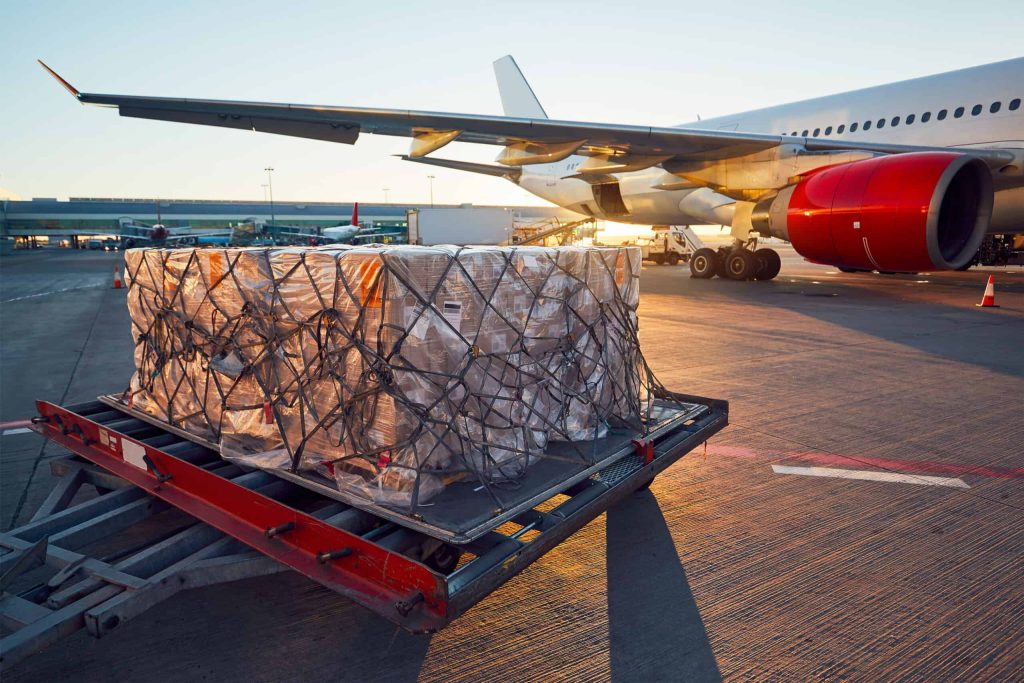
Why Is Air Freight Shipment Tracking Important?
Air freight shipment tracking is critical for various reasons:
- Real-Time Visibility: It offers shippers and recipients up-to-date information about the package’s location and status, ensuring transparency throughout the shipping process.
- Improved Planning: By knowing the estimated time of arrival (ETA), businesses can plan inventory management, logistics, and customer deliveries more effectively.
- Enhanced Customer Experience: Providing customers with accurate tracking information improves their trust and satisfaction.
- Risk Mitigation: In case of delays, tracking systems allow stakeholders to react promptly, minimizing potential disruptions.
- Compliance and Documentation: Tracking systems ensure that all necessary documentation and customs processes are followed and monitored.
How Does Air Freight Shipment Tracking Work?
Air freight shipment tracking systems leverage advanced technology to provide real-time updates. Here’s how the process typically works:
1. Unique Tracking Number
Each shipment is assigned a unique tracking number, often referred to as an air waybill (AWB) number. This number serves as the shipment’s identifier and is used to access tracking information.
2. Data Integration
Airlines, freight forwarders, and logistics providers integrate data from various checkpoints, such as departure, customs clearance, and arrival. This data is uploaded to a centralized tracking system.
3. Tracking Software
The tracking software collects, processes, and displays shipment updates. Users can access this software via online platforms, mobile apps, or API integrations.
4. Notifications and Alerts
Modern tracking systems send automatic notifications and alerts about the shipment’s progress, including delays or customs hold-ups.
Key Features of Air Freight Shipment Tracking Systems
When using an air freight shipment tracking system, look for the following features to ensure seamless monitoring:
- Real-Time Updates: Accurate, minute-by-minute updates on shipment status.
- Multi-Checkpoint Tracking: Visibility across all transit stages, from origin to destination.
- Customizable Alerts: Notifications for critical events, such as departure, arrival, or delays.
- Global Coverage: Tracking across international boundaries for global shipments.
- User-Friendly Interface: Easy-to-navigate platforms for quick access to information.
- Integration Options: Compatibility with enterprise systems for businesses managing large shipments.
Benefits of Air Freight Shipment Tracking
Air freight shipment tracking offers numerous advantages to businesses and individuals alike:
1. Efficiency in Logistics Management
With tracking information at their fingertips, businesses can streamline supply chain operations, reducing bottlenecks and improving delivery times.
2. Cost Savings
Tracking systems help identify and address potential delays, preventing costly disruptions and allowing businesses to optimize shipping routes.
3. Increased Security
Monitoring shipments in real-time reduces the risk of theft or misplacement, as each stage of the transit process is documented and accessible.
4. Better Customer Satisfaction
Providing accurate tracking information to customers enhances their experience, fostering loyalty and trust.
5. Regulatory Compliance
Air freight shipment tracking ensures all necessary documentation is in order, helping businesses meet regulatory requirements.
How to Track Your Air Freight Shipment
Tracking your air freight shipment is a straightforward process:
- Obtain the AWB Number After booking your shipment, the logistics provider will issue an air waybill number. This number is essential for tracking.
- Visit the Tracking Platform Most airlines and freight forwarders have dedicated tracking platforms or apps where you can enter your AWB number.
- Check for Updates Enter your AWB number into the tracking platform to view real-time updates about your shipment’s status.
- Set Alerts Many platforms allow you to set alerts for specific events, such as customs clearance or delivery.
- Contact Support if Needed If you encounter issues or require additional details, contact your logistics provider for assistance.
Challenges in Air Freight Shipment Tracking
While air freight shipment tracking offers numerous benefits, it’s not without challenges:
- Data Delays: Real-time updates depend on timely data uploads, which can sometimes be delayed.
- Limited Coverage: Some regions or smaller logistics providers may not have comprehensive tracking systems.
- Complex Documentation: International shipments may face delays due to incomplete or inaccurate documentation.
- Customs Hold-Ups: Packages stuck in customs can disrupt tracking updates and cause frustration.
Tips for Effective Air Freight Shipment Tracking
To make the most of air freight shipment tracking, follow these best practices:
- Choose Reliable Providers: Work with airlines and freight forwarders known for robust tracking systems.
- Double-Check Documentation: Ensure all shipping documents are accurate and complete to avoid customs delays.
- Monitor Proactively: Keep an eye on your shipment’s progress and be prepared to act if delays occur.
- Communicate Clearly: Maintain open communication with your logistics provider to address any concerns promptly.
- Leverage Technology: Use tracking apps or APIs to integrate shipment updates into your business operations.
The Future of Air Freight Shipment Tracking
The air freight industry is rapidly evolving, and tracking technology is becoming more sophisticated. Emerging trends include:
- AI-Driven Analytics: Predictive analytics powered by artificial intelligence will provide even more accurate ETAs and risk assessments.
- IoT Integration: Internet of Things (IoT) devices, such as GPS trackers and temperature sensors, will enhance visibility and control over shipments.
- Blockchain Technology: Secure, transparent record-keeping through blockchain will improve accountability and reduce fraud.
- Sustainability Focus: Tracking systems will increasingly incorporate eco-friendly practices, such as optimizing routes to reduce carbon footprints.
Final Thoughts
Air freight shipment tracking is a vital tool for businesses and individuals relying on fast and efficient delivery services. By offering real-time visibility, improving logistics management, and enhancing customer satisfaction, these systems play a crucial role in modern supply chains. While challenges exist, advancements in technology promise an even brighter future for air freight tracking. Whether you’re a business owner or an individual, understanding how to leverage these systems can help ensure your shipments reach their destination seamlessly and on time.
