

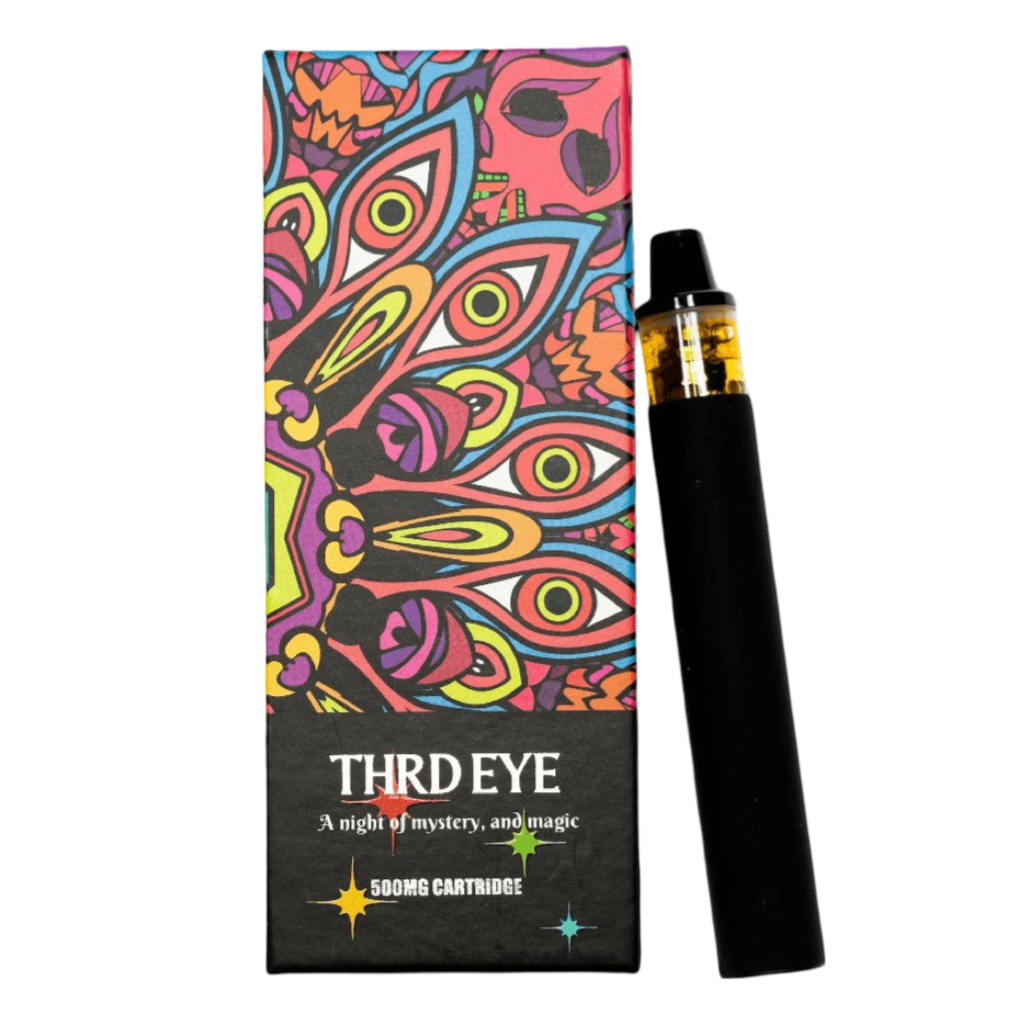
In recent years, the use of psychedelics has seen a resurgence, with substances like psilocybin, LSD, and DMT gaining popularity among both recreational users and those exploring potential therapeutic benefits. Among the newer innovations in psychedelic consumption is the DMT cart, a vape cartridge containing concentrated Dimethyltryptamine (DMT), a powerful hallucinogenic compound. DMT is known for producing intense, short-lived, and often profound psychedelic experiences. The rise of DMT carts has sparked widespread interest, particularly among vape enthusiasts, but it has also raised important questions about safety, legality, and ethics.
In this article, we’ll delve into what DMT carts are, the effects they produce, the risks involved, and the controversies surrounding their use.
What Are DMT Carts?
DMT carts are vape cartridges filled with DMT concentrate, which users can vaporize using a standard vape pen. The DMT is typically dissolved in a solvent such as propylene glycol or vegetable glycerin, allowing it to be vaporized and inhaled. This method of consumption offers a more discreet, portable, and user-friendly way to experience DMT compared to traditional methods like smoking the crystalline form of the compound or drinking Ayahuasca tea, which is brewed from DMT-containing plants.
The allure of DMT cart lies in their simplicity: they provide an easy-to-use and relatively inconspicuous alternative for those who wish to explore the effects of DMT. However, this convenience has raised concerns about the potential for misuse, especially considering the potency and unpredictability of DMT.
The Effects of DMT
DMT is considered one of the most powerful naturally occurring psychedelics. Known for inducing intense visual and auditory hallucinations, the compound has been used in traditional ceremonies, particularly among indigenous Amazonian tribes, for centuries. When smoked or vaporized, DMT typically produces rapid and overwhelming effects, including:
- Intense Visuals: Users often report seeing intricate geometric patterns, vibrant colors, and sometimes even entire landscapes or alternate realities. Some describe encounters with sentient beings or “entities” during their trips.
- Distorted Sense of Time: The experience of time often becomes warped, with users feeling as though they have been transported to another dimension, even if only for a few minutes in real-time.
- Loss of Ego: One of the hallmark effects of DMT is a complete dissolution of the ego, leading to a sense of unity with the universe or spiritual enlightenment. This can be both profoundly positive and disorienting.
- Physical Effects: While DMT is not typically considered physically harmful, it can lead to side effects such as rapid heartbeat, increased blood pressure, dizziness, and nausea, especially in high doses.
Though the effects are intense, they are usually short-lived, typically lasting between 15 to 30 minutes when smoked or vaporized. The speed of the onset and the brevity of the experience contribute to the overwhelming nature of DMT, often catching users off guard.
Why Are DMT Carts Becoming Popular?
Several factors contribute to the growing popularity of DMT carts, particularly within vape communities and the broader psychedelic subculture:
- Convenience and Discretion: Traditional methods of DMT consumption often involve smoking or preparing the substance in specific ways, both of which can be conspicuous and difficult to conceal. DMT carts, on the other hand, look and operate like standard vape pens, which are widely used and can be easily hidden. This makes it a more discreet option for users who don’t want to draw attention.
- Ease of Use: Using a DMT cart requires no special equipment or expertise. Users simply attach the cartridge to a vape pen, inhale, and wait for the effects to kick in. This low-effort, no-preparation approach makes DMT more accessible to people who might not be familiar with traditional methods of consuming the substance.
- Increased Interest in Psychedelics: As interest in psychedelics grows, particularly with the rise of research into their therapeutic potential for conditions like depression, PTSD, and addiction, DMT has become a focal point for those exploring these substances. The compact, user-friendly nature of DMT carts makes them an attractive option for those seeking a powerful, short-term psychedelic experience.
The Risks of Using DMT Carts
While DMT carts offer convenience and accessibility, they also come with significant risks—ranging from health concerns to legal issues.
1. Health and Safety Concerns
Vaping has been linked to a range of health issues, including lung damage, especially when unregulated substances are involved. In the case of DMT carts, several potential dangers exist:
- Unregulated Manufacturing: The production of DMT carts is largely unregulated, meaning that there is no guarantee of quality control. Contaminants in the DMT concentrate, solvents used in the vape liquid, or even improper cartridge materials could lead to harmful side effects or respiratory issues. The vaping industry has already been plagued by concerns over « vaping-related lung injuries, » particularly with unregulated products.
- Toxic Chemicals: The solvents used in DMT carts, such as propylene glycol, may release toxic byproducts when heated. Some users have reported symptoms like coughing, chest pain, and shortness of breath after vaping DMT. While research into the safety of vaping DMT specifically is limited, the potential risks cannot be overlooked.
- Additives and Impurities: Because DMT carts are sold on the black market or through unofficial channels, there’s a high risk that they contain additives or impurities that can be harmful. Users may unknowingly inhale dangerous substances, which could have serious long-term effects on their health.
2. Mental Health Risks
DMT’s intense effects can be psychologically overwhelming, especially for inexperienced users or those with underlying mental health conditions. Although many users report positive and transformative experiences, others may experience extreme anxiety, confusion, or paranoia during their trips. The powerful visual and emotional effects of DMT can sometimes trigger panic attacks or exacerbate pre-existing mental health issues, such as depression or schizophrenia.
3. Legal Risks
DMT is classified as a Schedule I controlled substance in many countries, including the United States. This means that its production, distribution, and possession are illegal. As a result, DMT carts are also illegal in most places, and buying or selling them can lead to serious legal consequences, including criminal charges. Moreover, since DMT carts are often sold through underground or online markets, there’s little recourse for users if they purchase defective or dangerous products.
Ethical and Cultural Concerns
The commercialization of DMT through products like carts has raised ethical questions. Some argue that DMT, especially when consumed in a recreational or casual context, is being stripped of its cultural and spiritual significance. Traditionally, DMT-containing plants like Ayahuasca have been used in ceremonial settings, often guided by experienced shamans, with a deep focus on personal growth, healing, and community. The commodification of DMT through vape pens could be seen as undermining these traditional uses.
Additionally, there are concerns about the accessibility of DMT, especially to younger or more vulnerable individuals. The availability of DMT carts online raises the question of whether these powerful substances should be more carefully regulated to protect individuals from potential harm.
Conclusion
DMT carts represent a new and controversial trend in psychedelic consumption. While they offer a convenient and discreet way to experience the powerful effects of DMT, they also come with significant health, safety, legal, and ethical concerns. As the popularity of DMT continues to grow, it is crucial for users to be aware of the risks and to approach the substance with caution and respect. The growing availability of DMT carts, alongside the lack of regulation in the market, highlights the need for greater awareness and oversight in the emerging psychedelic landscape.
