

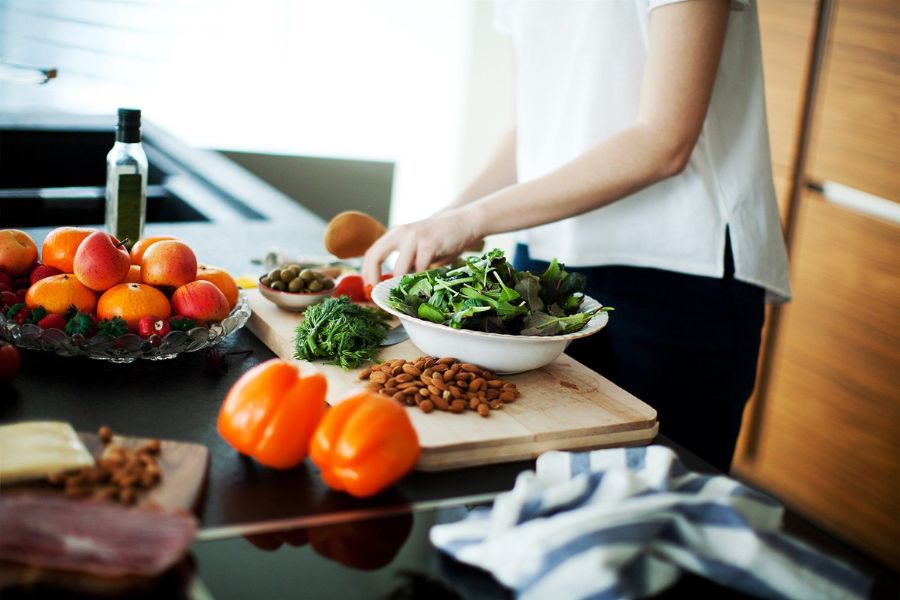
From simple changes in diet and lifestyle to seeking additional support, there are many varied, effective ways to lose weight. In return, you could drop those extra pounds, not to mention reducing the risk of serious obesity-related health problems such as heart disease and type 2 diabetes, while boosting your energy level. Integrating natural ways of losing weight, such as reducing food processing, drinking green tea, and adding probiotics to your diet, may mean a great deal. Though the speed at which one loses weight will always be different, depending on the means being used, all the aforementioned methods find their justification in science and work. With all the contrasting weight loss advice on the internet, it is all about focusing on those that have scientific evidence. For instance, you may replace calorie-heavy takeaways with healthier alternatives from places like Stockport food to maintain your diet and still be able to eat tasty meals. Start small, stay consistent, and watch the results unfold.
Include Variety of Brightly Colored Foods
The secret to a balanced diet is to consume nutritious and balanced meals. Quite conveniently, this can be easily achieved by incorporating a portion of fruits, vegetables, grains, and proteins into the meal. A person can attain optimal health by consuming 25 to 30 grams of fibre daily. One must also cut down on trans fats and minimise saturated fats since these have a direct relationship with coronary heart disease. Pay more attention to the good health oils like the monounsaturated and polyunsaturated fats found in food items such as nuts, seeds, and fish. Increase intake with a variety of fresh produce, legumes, whole grains of brown rice or oatmeal, and lean protein foods.
Keep a Food and Weight Diary
Monitoring eating and weight has been one of the most successful techniques for weight loss. Whether a physical book, a mobile app, or a website, recording eating consistently gives valuable insight into what a person is putting into their body. The weight can be recorded once a week to measure progress and reinforce healthy behaviour. Self-monitoring keeps you accountable and can also help you notice small achievements, which may be motivational in themselves. However, it’s important not to lose perspective and become obsessive with the process since that can have negative implications on mental health.
Cut Out Liquid Calories
Liquid calories from beverages like sugar-sweetened beverages, juices, or alcohol will quickly derail weight loss efforts. These empty calories of energy have absolutely no redeeming nutritional value. These can be replaced with water, unsweetened tea, or coffee to vastly decrease calorie intake. Adding a slice of lemon or orange to your water will enhance the flavour and refresh it for you. Being well-hydrated will help prevent mistaking thirst for hunger, which will reduce extra snacking.
Measure Servings and Control Portions
Portion control is paramount to calorie intake control. Overindulging in any healthy foods causes weight gain. Measuring cups and spoons is accurate, but it is also possible to estimate food portions by comparison to everyday objects. For example, a fist is about a cup, a tennis ball is about half a cup, and a deck of cards is about three ounces of meat. These visual cues will be most helpful when eating out or if measuring tools are not around. Being able to manage portions lets you enjoy all your favourite meals without going overboard.
Eat Mindfully
Mindful eating fosters awareness of what, when, and why you eat. Slowing down allows your body to realise when you are full and satisfied; this helps with digestion and could prevent overeating because it takes at least 20 minutes to complete a meal. Mindful eaters savor their food and stop when satisfied, rather than when they feel stuffed. And don’t forget that terms like low-fat or all-natural are not always synonymous with healthy. Whole, unprocessed foods provide better long-term health benefits.
Stimulus and Cue Control
External triggers are usually the cause of unnecessary snacking. For example, watching TV or seeing a bowl of candy on the counter may tempt you to eat when you’re not hungry. Identifying these triggers allows you to make small adjustments, such as keeping unhealthy snacks out of sight or choosing healthier alternatives. You’ll want to become more aware of such cues so that your surroundings support your goals as opposed to making healthy eating difficult.
Conclusion:
The integration of natural techniques like the reduction of processed foods, green tea consumption, and the addition of probiotics helps people lose weight. Results may vary, but consistency and knowledge of science-backed strategies lead to healthier habits and much longer-lasting changes. Little changes can make a huge difference in your life.
Also, read: 5 Key Differences Between Neapolitan Pizza and NY Style
