

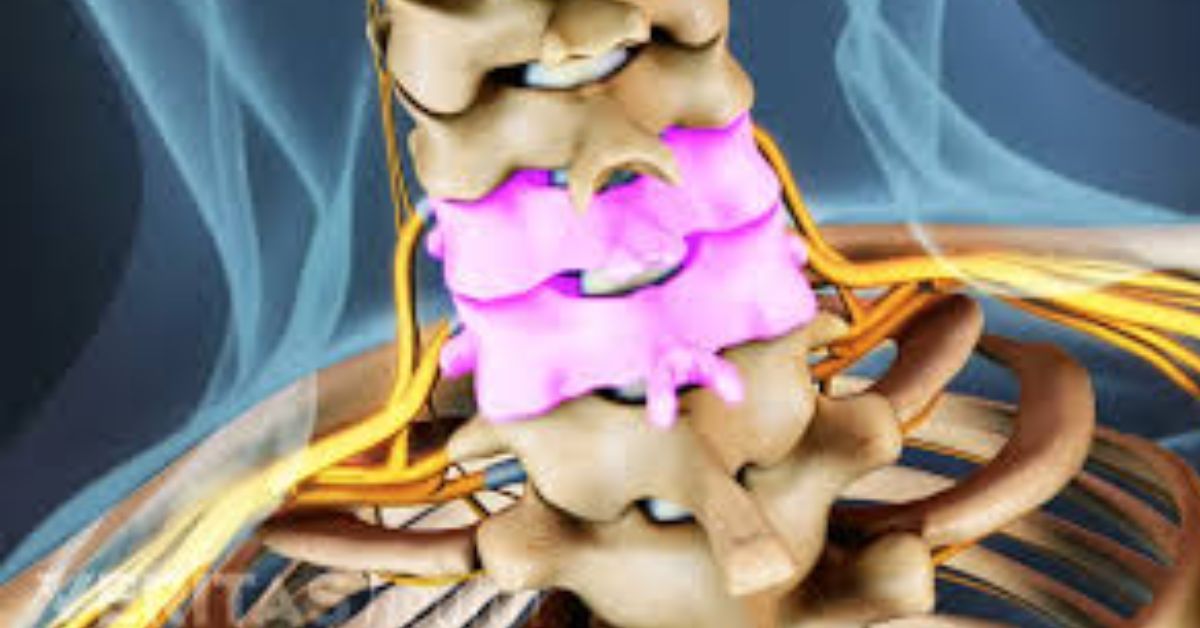
Foraminotomy surgery is a specialized spinal procedure designed to relieve pressure on the nerves caused by compressed or narrowed foramen. This blog explores the intricacies of foraminotomy surgery, how it works, and what patients can expect during recovery. Whether you’re considering this procedure or simply curious about its details, this comprehensive guide offers insights to help you understand every aspect.
What is Foraminotomy Surgery?
The spinal column is a complex structure comprising vertebrae, discs, and nerve roots. Between each vertebra is a small opening called the foramen, which allows nerve roots to exit the spinal column and connect to various parts of the body. When these openings become narrowed due to conditions such as arthritis, herniated discs, or bone spurs, it can lead to nerve compression and symptoms like pain, numbness, and weakness.
Foraminotomy is a minimally invasive surgical procedure that enlarges the foramen, relieving the pressure on the affected nerves. It is often recommended for patients who have not responded to conservative treatments like physical therapy, medications, or injections.
Indications for Foraminotomy Surgery
Foraminotomy may be advised if you experience:
- Chronic Pain: Persistent pain in the neck, back, arms, or legs caused by nerve compression.
- Neurological Symptoms: Numbness, tingling, or weakness in the extremities.
- Limited Mobility: Difficulty performing daily activities due to spinal discomfort.
- Failed Non-Surgical Treatments: Ineffectiveness of conservative options such as physical therapy or medications.
- Diagnosed Spinal Conditions: Conditions like foraminal stenosis, herniated discs, or osteoarthritis that contribute to nerve compression.
Preparing for Foraminotomy Surgery
Before undergoing a foraminotomy, your surgeon will conduct a thorough evaluation, which includes:
- Imaging Tests: MRI, CT scans, or X-rays to determine the exact location and cause of nerve compression.
- Medical History Review: Discussion of your overall health and any pre-existing conditions.
- Physical Examination: Assessment of your range of motion, strength, and reflexes.
Your doctor may recommend the following steps:
- Stop Smoking: Smoking can hinder the healing process.
- Adjust Medications: Certain blood-thinning medications might need to be paused.
- Plan Post-Surgery Care: Arrange for transportation and assistance at home.
How Foraminotomy Surgery Works?
Foraminotomy is typically performed under general anesthesia. The procedure involves the following steps:
- Incision: A small incision is made near the affected area of the spine.
- Muscle Retraction: Muscles around the spine are carefully moved aside using specialized instruments to minimize tissue damage.
- Foramen Enlargement: The surgeon removes bone, ligaments, or tissue causing the compression, thereby enlarging the foramen.
- Nerve Decompression: Once the foramen is widened, the pressure on the nerve is alleviated.
- Closure: The incision is closed with sutures, and a sterile dressing is applied.
The entire procedure usually takes 1-2 hours, depending on the complexity of the case.
What are the Benefits of Foraminotomy Surgery?
- Pain Relief: Significant reduction or elimination of nerve-related pain.
- Improved Mobility: Enhanced ability to perform daily activities without discomfort.
- Minimally Invasive: Smaller incisions and quicker recovery compared to traditional open surgery.
- High Success Rate: Many patients experience long-term relief from their symptoms.
What are the Risks and Complications of Foraminotomy Surgery?
As with any surgery, foraminotomy comes with potential risks, including:
- Infection: Proper post-surgical care can minimize this risk.
- Bleeding: Rare but possible.
- Nerve Damage: Though uncommon, there’s a slight chance of nerve injury.
- Recurring Symptoms: In some cases, pain or other symptoms may return.
Discuss these risks with your surgeon to understand how they apply to your specific situation.
Recovery After Foraminotomy Surgery
The recovery process varies from person to person, but here’s a general timeline:
- Immediately After Surgery:
- You’ll spend a few hours in the recovery room under observation.
- Pain management medications may be administered.
- Most patients can return home the same day or after a short hospital stay.
- First Week:
- Rest is crucial, but light walking is encouraged to prevent stiffness and improve circulation.
- Avoid strenuous activities or heavy lifting.
- Weeks 2-4:
- Gradual increase in activity levels.
- Physical therapy may begin to strengthen the back and improve mobility.
- Incision care and monitoring for signs of infection are essential.
- Month 2 and Beyond:
- Most patients can resume normal activities within 4-6 weeks.
- Full recovery can take up to 3 months, depending on individual factors.
Tips for a Smooth Recovery
- Follow Medical Advice: Adhere to all post-operative instructions provided by your surgeon.
- Stay Active: Engage in light activities as recommended to promote healing.
- Maintain a Healthy Diet: Proper nutrition aids in recovery.
- Attend Follow-Up Appointments: Regular check-ins with your doctor ensure optimal healing.
- Listen to Your Body: Avoid pushing yourself too hard; rest when needed.
When to Contact Your Doctor
While complications are rare, you should reach out to your healthcare provider if you experience:
- Severe or worsening pain.
- Signs of infection, such as redness, swelling, or discharge at the incision site.
- Difficulty urinating or loss of bowel/bladder control.
- Fever above 100.4°F (38°C).
Alternative Treatments
Foraminotomy is not the only option for nerve compression. Other treatments include:
- Physical Therapy: Non-invasive exercises to strengthen the spine.
- Epidural Steroid Injections: Temporary relief from inflammation.
- Spinal Fusion or Disc Replacement: For severe cases requiring more extensive intervention.
Your doctor will determine the best course of action based on your condition and lifestyle.
Cost of Foraminotomy Surgery
The cost of foraminotomy varies widely depending on factors like location, hospital fees, and surgeon expertise. In the United States, the procedure can range from $15,000 to $50,000. Insurance coverage may offset some of the expenses, so consult with your provider for specifics.
Conclusion
Foraminotomy surgery offers a highly effective solution for individuals suffering from nerve compression in the spine. With a minimally invasive approach, this procedure provides significant pain relief and improved quality of life. Understanding how it works, preparing adequately, and following recovery guidelines can ensure the best possible outcome. If you’re considering foraminotomy, consult a qualified spine specialist to explore whether this procedure is right for you.
