

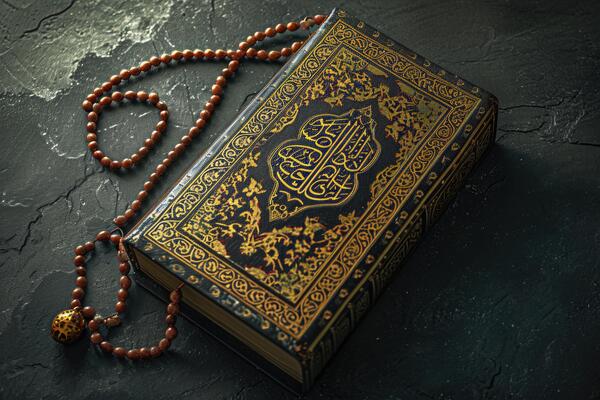
The Pillars of Islam form the foundation of a Muslim’s faith and practice, representing the core principles that guide a believer’s life. These five pillars—Shahada (faith), Salah (prayer), Zakat (charity), Sawm (fasting), and Hajj (pilgrimage)—are not only acts of worship but also embody values that resonate deeply in contemporary times. In this article, we explore each pillar and its relevance in today’s world.
Shahada: The Declaration of Faith
Meaning and Importance
The Shahada, or the testimony of faith, is the first and most fundamental pillar of Islam. It is the declaration that “There is no god but Allah, and Muhammad is His messenger.” This proclamation establishes the monotheistic essence of Islam and affirms Muhammad (peace be upon him) as the final prophet.
Relevance Today
In an era marked by materialism and moral confusion, the Shahada provides clarity and direction. It reminds Muslims to prioritize their relationship with Allah over worldly distractions. The declaration also fosters a sense of unity among Muslims globally, transcending cultural and geographical boundaries. The Shahada’s emphasis on sincerity and truth encourages ethical behavior and accountability, which are vital in addressing modern challenges such as corruption and injustice.
Salah: The Five Daily Prayers
Meaning and Importance
Salah, the five daily prayers, serves as a direct link between a Muslim and Allah. It is performed at prescribed times: Fajr (dawn), Dhuhr (noon), Asr (afternoon), Maghrib (evening), and Isha (night). Salah is an act of submission, gratitude, and reflection.
Relevance Today
In today’s fast-paced world, Salah offers a structured routine that promotes discipline and mindfulness. The act of pausing five times a day to connect with Allah provides spiritual nourishment and a sense of peace amidst life’s chaos. Moreover, the collective prayers in mosques foster community bonds and solidarity, countering the isolation prevalent in modern societies. Salah’s emphasis on cleanliness and punctuality further cultivates personal responsibility and a sense of purpose.
Zakat: Obligatory Charity
Meaning and Importance
Zakat is the third pillar of Islam, requiring Muslims to give a specific portion of their wealth (usually 2.5% of savings) to those in need. It is both an act of worship and a means to promote social welfare.
Relevance Today
Zakat addresses economic inequalities and provides a safety net for the underprivileged. In contemporary times, where poverty and wealth disparity are pressing issues, Zakat serves as a model for wealth redistribution and social justice. By mandating charitable giving, Islam encourages compassion, empathy, and a sense of collective responsibility. Zakat also aligns with modern principles of corporate social responsibility, making it a timeless tool for alleviating suffering and fostering economic stability.
Sawm: Fasting During Ramadan
Meaning and Importance
Sawm, or fasting during the month of Ramadan, involves abstaining from food, drink, and sinful behavior from dawn to sunset. It is a time for self-discipline, spiritual reflection, and increased devotion.
Relevance Today
Fasting in Ramadan teaches self-control and resilience, qualities that are highly relevant in a world driven by instant gratification. It fosters empathy for those who face hunger daily and inspires acts of kindness and generosity. In the modern context, Ramadan promotes a sense of community, as families and friends come together for iftar (breaking the fast) and prayers. Additionally, the detoxification benefits of fasting align with contemporary trends of holistic health and wellness.
Hajj: The Pilgrimage to Mecca
Meaning and Importance
Hajj is the pilgrimage to Mecca, required once in a lifetime for Muslims who are physically and financially able. It is a profound spiritual journey that commemorates the faith of Prophet Ibrahim (Abraham, peace be upon him) and fosters equality and humility.
Relevance Today
Hajj exemplifies the principles of unity and equality, as millions of Muslims from diverse backgrounds gather to worship Allah. In a world often divided by race, nationality, and socioeconomic status, the pilgrimage underscores the universal brotherhood of Islam. The rituals of Hajj, which emphasize humility and submission, offer a counter-narrative to the arrogance and self-centeredness prevalent in modern society. The experience of Hajj also fosters personal growth, encouraging pilgrims to return home with renewed faith and a commitment to positive change.
How the Pillars Address Modern Challenges
The Pillars of Islam are not mere rituals; they are comprehensive practices that address various aspects of human life. Here’s how they remain relevant in addressing modern challenges:
1. Ethical Governance
The principles of Tawheed (oneness of Allah) and accountability, as emphasized in the Shahada and Salah, promote ethical leadership and governance. These values can help combat corruption and foster transparency in political and corporate systems.
2. Social Justice
Zakat provides a practical framework for reducing poverty and inequality. By encouraging wealth redistribution, it aligns with global efforts to achieve economic equity and social welfare.
3. Mental Health and Well-being
Salah and Sawm offer spiritual and psychological benefits, such as stress reduction and improved focus. In a world grappling with mental health crises, these practices provide solace and resilience.
4. Environmental Stewardship
Islam encourages stewardship of the Earth, a concept reinforced during Hajj, where pilgrims are taught to respect the sacred environment of Mecca. These teachings resonate with contemporary environmental movements advocating sustainability.
5. Community Building
The collective aspects of the pillars, such as congregational prayers and the communal spirit of Ramadan, strengthen social bonds and foster a sense of belonging in increasingly fragmented societies.
Conclusion
The Pillars of Islam are timeless principles that guide Muslims in their faith and daily lives. While rooted in tradition, their relevance extends far beyond their historical origins, addressing modern challenges with wisdom and compassion. By adhering to these pillars, Muslims not only fulfill their spiritual obligations but also contribute to building a just, ethical, and harmonious world. In an ever-changing and complex world, the Pillars of Islam remain a beacon of guidance, reminding believers of their purpose and responsibilities both to Allah and to humanity.
