

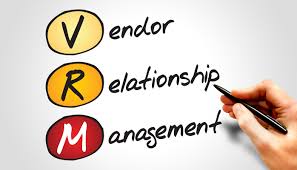
In today’s interconnected business environment, fostering robust vendor relationships is more critical than ever. Vendors play a vital role in ensuring the smooth operation of supply chains, delivering quality products and services, and contributing to a company’s overall success. Implementing effective Vendor Relationship Management Strategies can transform these relationships into long-term partnerships that drive mutual growth and innovation. This article explores the importance of strong vendor relationships and provides actionable insights to build and maintain them.
The Importance of Strong Vendor Relationships
Strong vendor relationships offer numerous benefits, including:
- Improved Efficiency: Reliable vendors ensure timely delivery of goods and services, reducing delays and disruptions.
- Cost Savings: Long-term partnerships often lead to better pricing, discounts, and value-added services.
- Enhanced Quality: Vendors invested in their client’s success prioritize delivering superior products and services.
- Innovation Opportunities: Collaborative relationships encourage vendors to propose innovative solutions tailored to business needs.
- Risk Mitigation: Trusted vendors help minimize risks related to supply chain disruptions or non-compliance issues.
Key Strategies for Building Strong Vendor Relationships
1. Clear Communication
Effective communication is the foundation of any strong relationship. Set expectations, provide clear instructions, and ensure open channels for feedback and updates. Regular check-ins can help address issues before they escalate.
2. Trust and Transparency
Honesty and transparency foster trust between businesses and their vendors. Share relevant information about your business plans, and be upfront about challenges or concerns.
3. Performance Metrics
Establish key performance indicators (KPIs) to evaluate vendor performance objectively. Metrics such as delivery times, quality standards, and cost-effectiveness can provide insights into their reliability and efficiency.
4. Collaborative Problem-Solving
When challenges arise, approach them collaboratively rather than assigning blame. Working together to find solutions strengthens the relationship and builds mutual respect.
5. Recognition and Rewards
Acknowledging and rewarding exceptional vendor performance can motivate vendors to maintain high standards. Incentives, awards, or public recognition can go a long way in fostering loyalty.
Common Challenges in Vendor Relationships and How to Overcome Them
1. Misaligned Goals
When vendor goals don’t align with your business objectives, conflicts may arise. Address this by:
- Clearly communicating expectations.
- Ensuring alignment during contract negotiations.
2. Inconsistent Performance
Vendors may occasionally fail to meet expectations. Mitigate this by:
- Regularly reviewing performance metrics.
- Providing constructive feedback and support.
3. Lack of Flexibility
Rigid vendors may struggle to adapt to changing needs. Foster flexibility by:
- Building strong rapport and mutual understanding.
- Encouraging open discussions about capabilities and constraints.
The Role of Technology in Vendor Relationship Management
Technology can significantly enhance vendor relationship management by streamlining processes and improving communication. Consider integrating tools such as:
- Vendor Management Systems (VMS): Centralize vendor data, track performance, and manage contracts efficiently.
- Collaboration Platforms: Facilitate seamless communication and document sharing.
- Analytics Tools: Monitor performance metrics and identify areas for improvement.
By leveraging technology, businesses can build more transparent and efficient relationships with their vendors.
Best Practices for Maintaining Strong Vendor Relationships
- Regular Engagement: Schedule regular meetings or calls to discuss progress, challenges, and future opportunities.
- Mutual Respect: Treat vendors as partners rather than mere service providers.
- Continuous Improvement: Encourage vendors to innovate and improve their processes to add more value.
- Contractual Clarity: Clearly define roles, responsibilities, and expectations in contracts to avoid misunderstandings.
- Long-Term Vision: Focus on building relationships that benefit both parties in the long run.
Case Studies: Successful Vendor Relationships
Example 1: Retail Giant and Logistics Provider
A leading retailer partnered with a logistics provider to streamline their supply chain. By collaborating on predictive analytics and real-time tracking, they reduced delivery times by 20% and improved customer satisfaction.
Example 2: Tech Company and Component Supplier
A tech company worked closely with their component supplier to co-develop innovative products. This partnership resulted in faster product launches and a 15% increase in market share.
Conclusion
Building and maintaining strong vendor relationships is a cornerstone of business success. By implementing effective strategies, leveraging technology, and fostering trust and collaboration, businesses can transform vendors into strategic partners who contribute to long-term growth and innovation. For organizations looking to enhance their vendor management practices, partnering with experts like St. Croix Holdings in Stillwater can provide valuable insights and tailored solutions. Strong vendor relationships are not just an operational necessity but a strategic advantage in today’s competitive landscape.
