

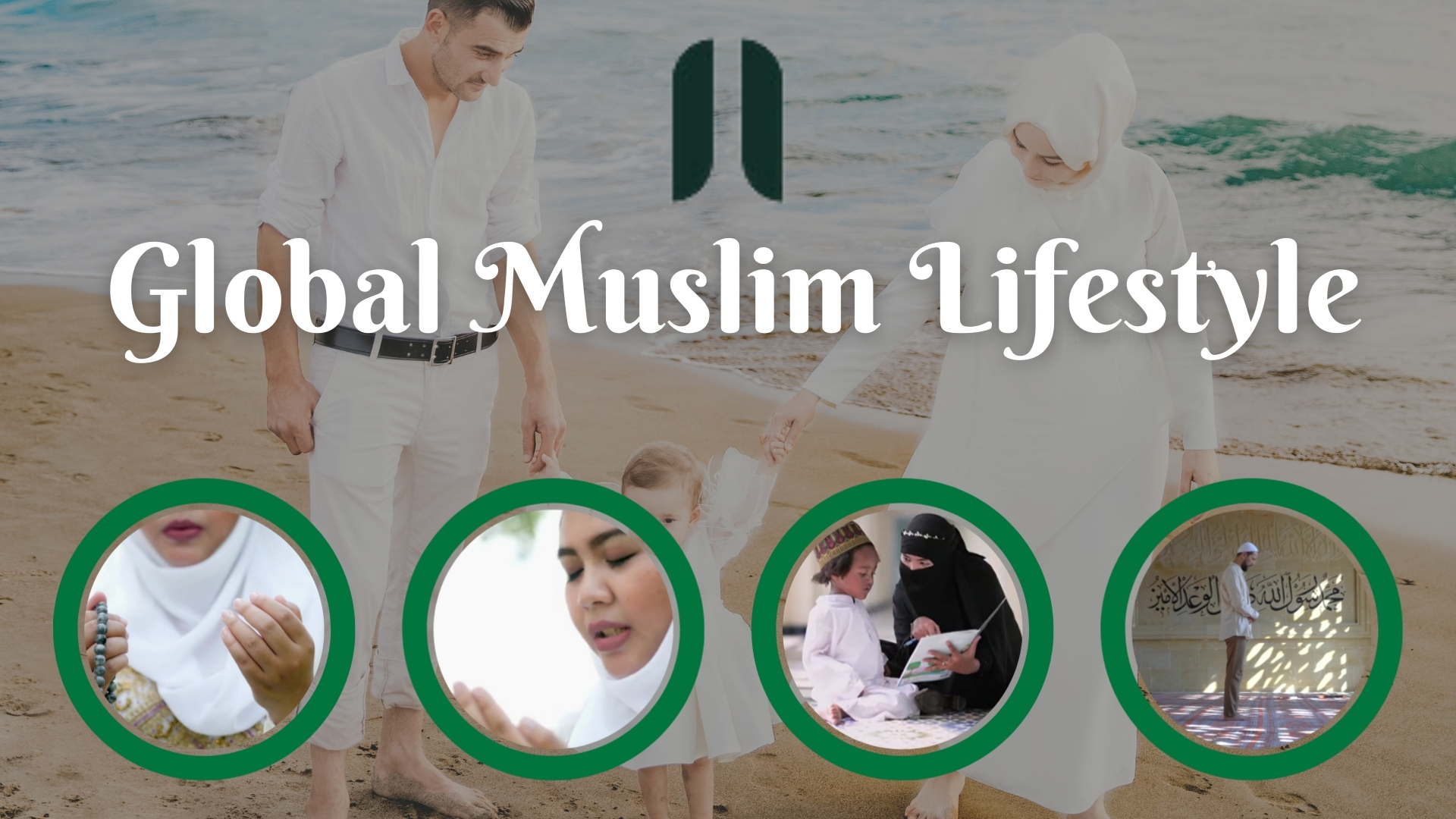
The global Muslim lifestyle has undergone significant evolution in recent years, with an increasing number of Muslims adapting to modernity while remaining connected to their faith. This transformation is influenced by several factors, including globalization, technological advancements, changing cultural perceptions, and the growing emphasis on individuality and identity. As Muslims across the world navigate between tradition and modernity, their lifestyle choices reflect a balance of religious values and the demands of contemporary living.
1. The Role of Technology and Social Media
One of the most prominent influences on the global Muslim lifestyle has been the rise of technology, particularly social media platforms. These tools have allowed Muslims from diverse backgrounds to connect, share experiences, and learn from one another. Through social media, many Muslims are able to access religious content, including sermons, online Qur’an classes, and discussions on various Islamic topics, making religious knowledge more accessible than ever before.
Additionally, social media has played a significant role in shaping modern Muslim identity. Young Muslims around the world are now able to express their views on faith, culture, and modern life in a global context. Hashtags such as #Muslimah, #ModestFashion, and #HalalFood have created a sense of community, helping Muslims find solidarity and common ground despite geographical distances. The influence of social media extends to fashion as well, with Muslim influencers and bloggers showcasing how to integrate modesty with contemporary trends, proving that it is possible to dress fashionably while staying true to one’s Islamic values.
2. Embracing Modesty in Fashion
The rise of modest fashion is another significant trend that reflects the evolution of the global Muslim lifestyle. What was once seen as a niche market has now expanded into a global industry, with Muslim women taking the lead in promoting modest attire. Deenin, for instance, is a brand that has responded to this growing demand, offering clothing such as Abayas and Hijabs that combine tradition with modern aesthetics. Modest fashion allows Muslim women to express their personal style while adhering to the principles of Islamic modesty, creating a fusion of religious adherence and contemporary trends.
In addition to traditional attire, modest fashion now includes a wider variety of clothing, from casual wear to formal outfits, that respects Islamic values of modesty. The global reach of fashion designers who cater to the modest fashion market has made it easier for Muslim women to feel confident and stylish without compromising their beliefs. The rise of modest fashion has contributed to a broader acceptance of diversity in fashion and helped challenge the stereotype that modesty and style are mutually exclusive.
3. Halal Lifestyle Choices
The global Muslim lifestyle has also seen a surge in the demand for halal products, ranging from food and beverages to cosmetics and personal care items. Halal living is not just about dietary restrictions; it is a holistic approach to living in accordance with Islamic principles. The increasing availability of halal-certified products worldwide has made it easier for Muslims to make ethical and faith-based choices in their everyday lives.
Halal food, for example, has expanded beyond traditional markets and is now widely available in many non-Muslim countries. Major supermarkets in Western countries now carry halal meat, and halal restaurants and cafes are becoming more prevalent, even in cities where Muslims make up a small portion of the population. Additionally, the rise of halal cosmetics and skincare products, free from alcohol and animal-derived ingredients, has contributed to the growing halal lifestyle.
This shift has been further supported by the increasing number of online halal marketplaces, where Muslims can easily shop for a range of products that meet their religious and ethical standards. By embracing halal living, Muslims are making conscious choices that align with their faith, reinforcing the idea that modernity and faith can coexist harmoniously.
4. Spiritual and Personal Development
In the modern global Muslim lifestyle, there is a growing emphasis on personal and spiritual development. Many Muslims are turning to practices such as mindfulness, meditation, and self-reflection, which align with Islamic teachings on inner peace and self-discipline. While these practices have become popular worldwide, they resonate deeply with Muslims who seek ways to enhance their spirituality in a fast-paced, often stressful, world.
The importance of community and family also remains central to the global Muslim lifestyle. While individualism is on the rise, the family unit continues to be a cornerstone of Muslim society, providing support, guidance, and a sense of belonging. In this context, Muslims are increasingly seeking ways to strengthen their family ties, practice faith together, and engage in activities that promote well-being and mutual support.
5. Navigating Challenges and Opportunities
As the global Muslim community continues to evolve, Muslims are also facing challenges in maintaining their religious identity amidst the pressures of globalization. Issues such as Islamophobia, cultural misunderstandings, and the challenge of integrating Islamic values into secular societies require thoughtful engagement. However, the rise of Muslim-led organizations, advocacy groups, and grassroots movements has provided platforms for Muslims to voice their concerns and foster understanding.
Moreover, Muslims today are making significant contributions to various sectors, from business and technology to politics and the arts. These achievements help challenge stereotypes and demonstrate that Muslims are an integral part of global society. By excelling in these fields while adhering to their faith, they prove that success and religious commitment can go hand in hand.
Conclusion
The global Muslim lifestyle has transformed significantly over the past few decades, driven by technology, the rise of modest fashion, an increasing demand for halal products, and a focus on spiritual growth. As Muslims around the world continue to adapt to the challenges and opportunities presented by modern life, they are finding ways to integrate their faith with contemporary practices. This evolution reflects a dynamic and multifaceted global Muslim community that is redefining what it means to live a Muslim lifestyle in the 21st century. By embracing both their cultural heritage and modernity, Muslims are creating a vibrant and diverse global community that is reshaping perceptions of what it means to live faithfully in the modern world.
