

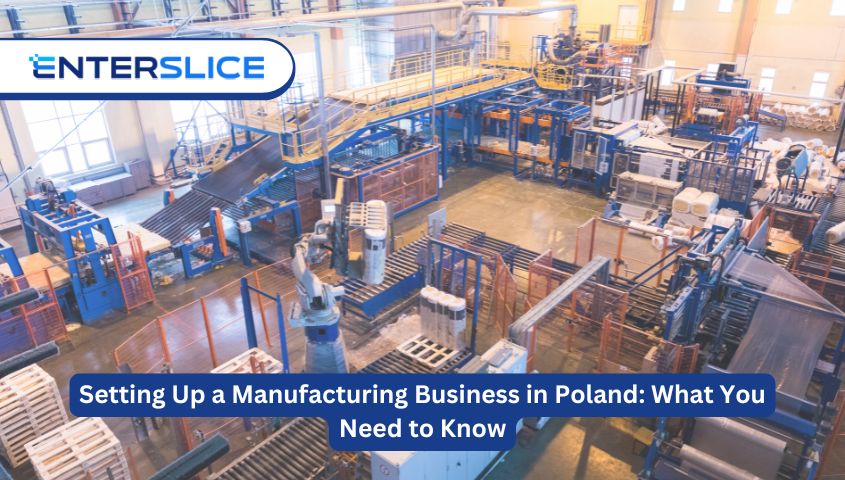
Poland is one of the most promising locations for setting up a manufacturing business in Europe. With its central location, skilled workforce, and strong industrial base, it’s no surprise that foreign entrepreneurs are increasingly interested in opening a company in Poland. Whether you’re looking to manufacture products locally or set up a European hub for your business, Poland offers numerous advantages to investors.
In this blog post, we’ll guide you through the process of setting up a manufacturing business in Poland. From understanding the benefits to navigating the steps of company formation in Poland, we’ll cover everything you need to know to make the process as smooth as possible.
Step 1: Understand the Manufacturing Landscape in Poland
Poland has long been a key player in European manufacturing, especially in industries like automotive, electronics, machinery, and food processing. The country’s strategic position in Central Europe allows businesses to easily access markets across the continent, while also benefiting from Poland’s strong transport infrastructure, including modern highways, rail systems, and access to major seaports.
Poland’s skilled labor force and competitive wages are also attractive to foreign manufacturers. Additionally, the country offers various investment incentives, including tax breaks for businesses operating in special economic zones (SEZs), which can be particularly beneficial for manufacturing companies.
Step 2: Choose the Right Legal Structure for Your Manufacturing Business
When opening company in Poland, the first decision you’ll need to make is selecting the right legal structure for your business. Poland offers several types of legal entities, each with its own advantages. The most common business structures for foreign entrepreneurs looking to set up manufacturing businesses are:
- Limited Liability Company (Sp. z o.o.): The most popular form of business entity for foreigners, this structure limits the liability of owners to their capital contribution. It is a flexible option with relatively low administrative requirements.
- Joint-Stock Company (S.A.): Ideal for larger businesses or those planning to raise capital through the issuance of shares. While it’s more complex to set up than an LLC, it can offer advantages in terms of scalability.
- Branch Office or Representative Office: If you already have an established company abroad, setting up a branch office or representative office in Poland is another option. This allows you to operate in Poland without forming a new legal entity, but it’s more restricted in terms of activities.
For most entrepreneurs starting a manufacturing business, a Limited Liability Company (Sp. z o.o.) is the most straightforward and cost-effective option.
Step 3: Company Formation in Poland
Once you’ve decided on the appropriate legal structure, the next step is company formation in Poland. The company registration process is relatively simple but requires a series of steps to ensure compliance with Polish law.
1. Choose a Company Name
The first step in company formation in Poland is choosing a company name. Your business name must be unique and distinguishable from any existing companies in the Polish business register. You can check name availability on the Central Registration and Information on Business (CEIDG) or the National Court Register (KRS).
2. Draft the Company’s Articles of Association
The articles of association define the rules governing the operations of your company. These should be drafted by a legal professional familiar with Polish corporate law. This document outlines key details such as the company’s business activity, capital contributions, management structure, and shareholders’ rights.
3. Register Your Company
After preparing the articles of association, you can submit your application for registration with the National Court Register (KRS). This process usually takes around 7 to 10 days if all required documents are in order. You will need to provide:
- The company’s name and address
- A copy of the articles of association
- Information about the company’s shareholders and directors
- Proof of the company’s registered office address
In some cases, you may also need to open a company bank account and deposit the minimum share capital (which is PLN 5,000 for an LLC).
4. Obtain a Tax Identification Number (NIP)
Once your company is registered, you’ll need to obtain a Tax Identification Number (NIP) from the Polish tax office. This is a necessary step for conducting business in Poland, as it is used for tax reporting and VAT purposes.
5. Register for VAT
If your company’s annual turnover exceeds PLN 200,000, you will need to register for Value Added Tax (VAT). Manufacturing businesses that plan to trade goods or provide services subject to VAT are required to obtain VAT registration.
Step 4: Secure Necessary Permits and Licenses
Depending on the type of manufacturing business you plan to open, you may need specific permits or licenses. These could include:
- Environmental Permits: If your manufacturing processes involve emissions or waste, you’ll need to apply for environmental permits to ensure your business complies with Polish environmental regulations.
- Building Permits: If you’re constructing a new manufacturing facility or modifying an existing building, you’ll need a building permit.
- Health and Safety Certifications: Manufacturing facilities are required to comply with workplace health and safety standards, so you’ll need to ensure your business is compliant with these regulations.
You can consult with local authorities or legal professionals to ensure you have all the necessary permits and licenses in place before starting operations.
Step 5: Hire Employees and Set Up Operations
Poland has a highly skilled workforce, with a growing number of technical and engineering graduates each year. The country’s manufacturing sector offers a range of job opportunities, from factory floor workers to management and engineering professionals.
When setting up your manufacturing business, consider the following:
- Labor Laws: Poland’s labor laws protect workers’ rights, including regulations on working hours, wages, and employee benefits. It’s essential to understand these laws to avoid legal issues.
- Hiring Local Talent: If you plan to hire employees in Poland, be prepared to invest time and resources in recruitment. Many businesses use local staffing agencies to help source qualified candidates.
- Training and Development: As a foreign manufacturer, you may need to invest in training programs to ensure your employees understand your business’s processes and standards.
Step 6: Leverage Tax Incentives and Financial Support
Poland offers a variety of tax incentives and financial support for foreign businesses, especially in the manufacturing sector. Some of the key opportunities include:
- Special Economic Zones (SEZs): These zones offer tax breaks, grants, and other incentives to businesses involved in manufacturing. Setting up in an SEZ can significantly reduce your operational costs.
- Research and Development (R&D) Tax Credits: If your manufacturing business is involved in innovation or developing new products, you may qualify for R&D tax credits.
- EU Funding Programs: As a member of the European Union, Poland offers access to EU funding programs that support business expansion and innovation.
Conclusion
Starting a manufacturing business in Poland can be a highly rewarding venture, thanks to the country’s favorable business environment, skilled workforce, and strategic location. By following the steps outlined above, including selecting the right legal structure, completing the company formation process, and complying with local regulations, you can set your business up for success in Poland.
Poland’s strong industrial sector and investment incentives make it an attractive destination for foreign entrepreneurs, and with careful planning and execution, your manufacturing business can thrive in this dynamic market.
Frequently Asked Questions (FAQ)
1. What is the minimum capital required to start a manufacturing company in Poland?
For a Limited Liability Company (Sp. z o.o.), the minimum share capital required is PLN 5,000. However, depending on the scale of your manufacturing operations, you may need additional capital for equipment and facilities.
2. Can I fully own a manufacturing company in Poland as a foreigner?
Yes, foreign investors can fully own a manufacturing company in Poland. There are no restrictions on foreign ownership for most industries, including manufacturing.
3. How long does it take to register a company in Poland?
The company registration process typically takes 7 to 10 days if all necessary documents are submitted correctly. However, obtaining permits and setting up operations can take additional time.
Also Read:
Eligible Business Structures for Company Registration in Turkey
Documents Needed to Start a Business in St. Kitts and Nevis
