

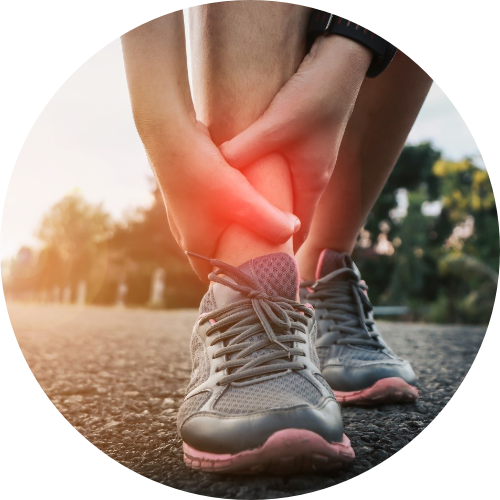
Sports injuries often happen when people play sports. They can be small, like strains and sprains, or more serious, like broken bones or torn ligaments. The treatment process is essential for healing properly and avoiding long-term problems. The correct method includes quick sports injury treatment, managing pain, rehabilitation, and sometimes more advanced medical help. Let’s break down each step of the healing process.
Immediate Care: The First 48 Hours
The first step of sports injury treatment is to provide instant care. This helps reduce swelling, relieve pain, and prevent further harm. The R.I.C.E. The method is valid here.
- Rest
Resting the hurt area is the first step to prevent the injury from worsening. This means staying away from things that could put more stress on the injured area. If you can, keep the injured limb or joint still by using a brace, wrap, or splint. This can help avoid movement and allow it to heal faster.
- Ice
Ice therapy is very helpful in the first 48 hours after an accident. Putting ice on the hurt area can help lessen swelling, numb pain, and reduce inflammation. To avoid hurting your skin, it’s best to use ice for 15-20 minutes and then take a break before using it again. Do this every 1 to 2 hours for the first two days after the accident.
- Compression
Compression using an elastic bandage can help control swelling and support the hurt area. It should fit snugly but not be too tight, as being too tight can restrict blood flow. Compression helps keep the area stable, easing pain and stopping the damaged tissues from moving more.
- Elevation
Raising the injured spot above the heart level helps improve blood flow and reduce swelling. Elevation is also significant for limb injuries, as it drains excess fluid away from the injured area.
Pain Management and Medication
After reducing the swelling, managing pain to help with healing is essential. Pain relief can help people return to crucial rehabilitation routines and everyday tasks.
- NSAIDs (Nonsteroidal Anti-Inflammatory Drugs)
NSAIDs (Nonsteroidal Anti-Inflammatory Drugs) are over-the-counter medicines, such as ibuprofen and aspirin, that can relieve pain and lessen swelling. NSAIDs are often used to treat injuries such as sprains, strains, and bruises. However, they should be used carefully and not for a long time, as they can sometimes cause stomach problems or hide pain, leading to getting hurt again.
- Ice Therapy
After the first 48 hours, ice therapy can still help reduce pain and swelling. During recovery, using ice regularly can help reduce stiffness and provide relief, especially after physical therapy or more intense activities.
- Topical Pain Relief
You can use creams, gels, or patches to soothe pain by placing them directly on the skin where it hurts. These items usually have ingredients like menthol or capsaicin that make you feel calm or warm, helping to reduce pain and swelling. They can be a choice for people who want to avoid taking pills.
Conclusion
Sports injury treatment involves several steps to help a player heal completely and safely return to their activities. The first care stage aims to reduce swelling and control pain, which is essential for recovery. Physical therapy helps people regain their abilities, but advanced medical care might be needed in more serious cases. With time, the proper care, and dedication to recovery, athletes can heal and return to their sport even better.
