

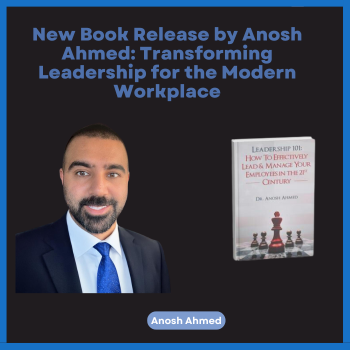
The workplace has undergone a dramatic transformation over the last few decades, and Anosh Ahmed tackles these changes head-on in his new book, Leadership 101. Gone are the days when a steady paycheck and rigid office hours were enough to keep employees motivated. Today’s workforce seeks purpose, flexibility, and empathetic leadership. In this groundbreaking book, he offers actionable strategies for leaders to adapt and thrive in the modern workplace.
Why the Workplace Has Changed
The evolution of the workplace didn’t happen overnight. Over the years, societal, economic, and technological shifts have reshaped the expectations of employees and the responsibilities of leaders. To truly understand how leadership must adapt, it’s important to explore the reasons behind these changes.
Economic Shifts
The stability that once defined the workforce has been replaced by unpredictability. Rising living costs, housing challenges, and stagnant wages have made it difficult for employees to rely on a single income. Today, workers look for jobs that go beyond financial stability—they seek roles that add value to their lives, offering growth opportunities and personal fulfillment.
Technology’s Impact
In the past, work was confined to office hours, but modern technology has blurred these boundaries. Smartphones and laptops have created an “always-on” culture, where employees are expected to be available at all times. This shift has increased the demand for flexibility in working arrangements, making it a non-negotiable aspect of modern leadership.
Mental Health Awareness
The concept of burnout was rarely discussed decades ago. Now, mental health is a central focus in workplace conversations. Employees want leaders who prioritize well-being and foster an environment that promotes work-life balance. Ignoring these needs can lead to disengaged teams and high turnover rates.
Purpose Over Paychecks
For many in today’s workforce, a paycheck is no longer enough. Millennials, Gen Z, and Gen X want meaningful work that aligns with their values. Companies that fail to provide purpose-driven roles risk losing their top talent to competitors who do.
Why Some Leaders Are Struggling to Keep Up
Despite these widespread changes, many leaders continue to rely on outdated strategies. The book highlights the reasons why old-school leadership methods no longer work and how they can alienate today’s workforce.
Outdated Rigid Structures
Insisting on traditional 9-to-5 office hours fails to resonate with employees who thrive on flexibility. Hybrid and remote work options are now expected, and leaders who resist these changes risk losing talented team members.
Micromanagement Hinders Creativity
Modern employees value autonomy and trust. Leaders who micromanage stifle innovation and erode team morale. Success in today’s workplace depends on empowering teams rather than controlling them.
Transactional Relationships Fall Short
The days when a paycheck guaranteed loyalty are over. Employees now seek authentic connections with their leaders, based on trust, empathy, and shared purpose. Without these elements, teams can quickly become disengaged.
Preparing for Gen X in the Workplace
While managing Millennials and Gen Z has been a focus for many leaders, Gen X is now entering the workforce with a fresh set of expectations. The book explains how leaders must adjust their strategies to engage this dynamic generation effectively.
Gen X values independence and efficiency, shaped by a lifetime of rapid technological advances and economic challenges. This generation doesn’t respond well to micromanagement or superficial corporate practices. Leaders will need to balance autonomy with clear, honest communication to harness the potential of these resourceful and innovative employees.
Key Takeaways from Leadership 101
The book offers a practical roadmap for modern leaders looking to adapt to these new workplace dynamics. Here are some of the most important insights:
- Empathy Builds Trust
Leadership today is about connection, not control. Understanding employees’ challenges—whether related to mental health, financial stress, or work-life balance—creates an environment of trust and loyalty. - Flexibility is a Must
Hybrid work models and flexible hours are more than perks—they’re expectations. Leaders who embrace these changes demonstrate their understanding of modern employees’ needs. - Purpose Inspires Engagement
Employees want to feel their work matters. Leaders who align organizational goals with individual purpose will see more motivated and engaged teams. - Transparent Communication is Essential
Effective leadership isn’t about giving orders—it’s about creating open dialogue. Regular check-ins, honest conversations, and collaborative decision-making build strong teams. - Adaptability is the Key to Longevity
The pace of change in today’s world is relentless. Leaders must be open to evolving strategies, learning from failures, and embracing innovation to stay ahead.
Breaking Away from Old Leadership Models
The book emphasizes that clinging to outdated leadership practices is a losing strategy. The modern workforce requires leaders who are flexible, empathetic, and willing to adapt. Those who fail to evolve risk losing their most talented employees and falling behind competitors who are willing to embrace change.
A Blueprint for the Future
Leadership 101 isn’t just a book—it’s a guide to transforming leadership for the modern workplace. Its approach combines real-world insights with actionable strategies, making it an invaluable resource for leaders across industries.
Whether managing a small team or a multinational organization, the lessons in this book will help foster trust, empower employees, and achieve meaningful results.
Conclusion
The world of work has changed, and so have the expectations of employees. Leaders who want to succeed in this new landscape must embrace flexibility, prioritize empathy, and inspire purpose-driven engagement.
Anosh Ahmed has crafted a timely and essential resource for leaders ready to adapt and thrive in this evolving environment. Leadership 101 challenges outdated practices and offers a clear path forward, making it a must-read for anyone striving to lead with impact in today’s workplace.
Because the old ways of leadership aren’t just outdated—they’re holding us back. It’s time for a transformation, and this book is the perfect starting point.
