

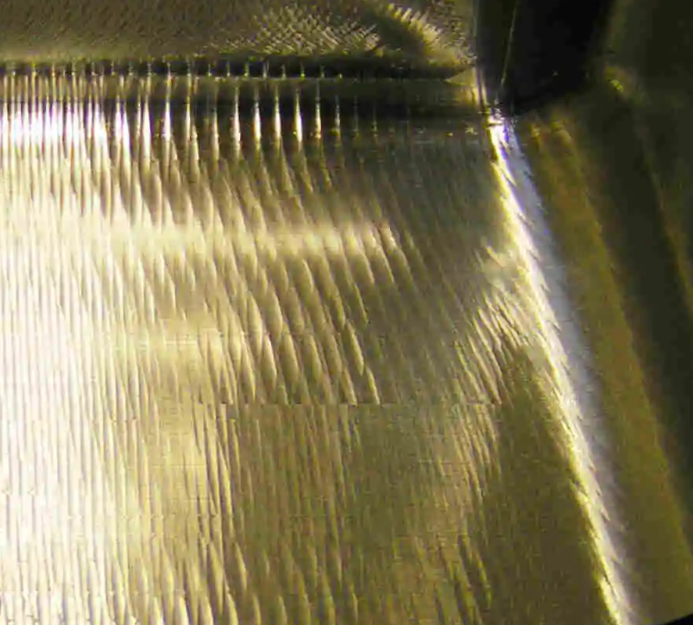
Chatter is a significant issue in the world of machining, affecting the quality, precision, and productivity of manufacturing processes. It occurs when unwanted vibrations are generated between the cutting tool and the workpiece during machining. These vibrations, although often high-frequency, can have a serious impact on surface finishes, tool life, and overall operational efficiency. Understanding the causes of chatter, its effects on the machining process, and how to prevent or control it is essential for manufacturers aiming to achieve high-quality production.
In this article, we will explore the phenomenon of chatter in machining, its causes and consequences, and the strategies available to minimize or eliminate this issue.
What is Chatter in Machining?
Chatter refers to the vibrations that occur between the cutting tool and the workpiece, leading to unwanted oscillations during the machining process. These vibrations are typically high-frequency, periodic, and can be severe enough to affect the entire machining system. Chatter can occur in various machining operations such as turning, milling, grinding, and drilling, and it can significantly impair the quality of the workpiece and cause premature wear or damage to the cutting tool.
In essence, chatter is a manifestation of instability in the cutting process. When cutting forces exceed the ability of the machine and tooling to absorb or dampen them, these forces resonate, resulting in vibrations that propagate through the machine components. These vibrations then interfere with the tool’s ability to maintain consistent contact with the material, leading to surface irregularities and other machining problems.
Causes of Chatter in Machining
Chatter can be triggered by a combination of factors related to the machine, tool, material, and process. Below are the key causes of chatter in machining:
1. Tool Geometry and Condition
The geometry of the cutting tool plays a crucial role in determining the likelihood of chatter. If the cutting tool is dull, worn, or improperly designed, the cutting forces can become uneven. This imbalance can lead to vibrations during the machining process. Tool geometry, such as the rake angle, relief angle, and cutting edge sharpness, influences the efficiency with which the tool engages the material. If these angles are not optimized for the specific operation, they can exacerbate the chances of generating vibrations.
2. Machine Rigidity
The rigidity of the machine itself is a key factor in preventing chatter. If the machine is not rigid enough, it is unable to resist the forces generated during cutting. This lack of stiffness allows the tool and workpiece to vibrate, leading to chatter. Machines with flexible spindles, loose workholding setups, or inadequate support structures are more prone to vibrations. Ensuring that the machine is stable and properly calibrated is crucial to minimizing chatter.
3. Cutting Parameters
The cutting parameters, including the cutting speed, feed rate, and depth of cut, directly influence the occurrence of chatter. Excessive cutting speeds or feed rates can create cutting forces that are too large for the machine to manage, leading to instability. Similarly, a large depth of cut can generate high forces that the cutting tool and machine may not be able to withstand. On the other hand, cutting at too low of a speed or feed rate can cause intermittent cutting engagement, leading to vibrations. Properly optimizing these parameters is essential for maintaining a stable cutting process.
4. Material Properties
The characteristics of the material being machined can affect the onset of chatter. Harder materials often generate more heat during cutting, which can cause thermal expansion and uneven cutting forces, leading to vibration. Conversely, softer materials may deform or flow under the cutting tool, which can also result in instability. Material properties such as hardness, tensile strength, and grain structure all influence how the cutting tool interacts with the workpiece, and these factors must be considered when determining the appropriate cutting parameters.
5. Tool Wear and Damage
As cutting tools experience wear and tear over time, their ability to cut effectively decreases. Worn tools tend to create higher cutting forces, which can easily lead to chatter. Additionally, damaged tools (e.g., chipped or fractured tips) can cause irregular cutting forces, resulting in vibrations. Regular monitoring and replacement of worn tools are essential for preventing chatter from occurring due to tool-related issues.
6. Environmental Factors
External environmental factors can also contribute to chatter. Vibration from nearby machines, temperature fluctuations, or changes in humidity can affect the machine’s stability and the machining process. For instance, if a machine is subjected to external vibrations or an unstable temperature environment, these factors can exacerbate the likelihood of chatter.
Consequences of Chatter in Machining
Chatter is not merely an inconvenience; it has serious consequences for the machining process. The most prominent effects of chatter are as follows:
1. Poor Surface Finish
One of the most noticeable effects of chatter is a poor surface finish. The high-frequency vibrations cause irregularities on the machined surface, including visible marks, grooves, and scratches. In industries where precise surface quality is critical, such as aerospace or medical device manufacturing, this poor finish can render the part unacceptable and require additional processing or rework.
2. Dimensional Inaccuracy
Chatter can also lead to dimensional inaccuracy. The vibrations interrupt the steady movement of the cutting tool, causing it to deviate from the intended path. This results in parts that do not meet the required dimensional tolerances. For high-precision industries, such as automotive or electronics, maintaining exact dimensions is essential for both function and fit.
3. Accelerated Tool Wear
Chatter significantly accelerates tool wear. The constant vibration stresses the tool and can lead to increased wear on the cutting edges, reducing its effectiveness. As a result, tools need to be replaced more frequently, increasing operational costs and machine downtime. This wear also leads to more frequent tool changes, which can further disrupt production schedules.
4. Reduced Productivity
Chatter can lead to slower cutting speeds and feed rates, as operators often adjust these parameters to minimize vibrations. Additionally, the need for frequent tool changes and rework can slow down overall production. As a result, the machining process becomes less efficient, leading to increased lead times and reduced productivity.
5. Potential Machine Damage
If chatter persists over time, it can cause damage to the machine itself. The excessive vibrations can lead to wear on machine components, including the spindle, bearings, and guides. This can result in machine downtime for repairs and potentially high costs associated with replacing damaged parts.
Solutions to Prevent or Control Chatter in Machining
There are several strategies to mitigate or eliminate chatter in machining. These include adjustments to cutting parameters, improving machine stability, using appropriate tooling, and applying advanced monitoring techniques. Below are some of the most effective solutions:
1. Optimize Cutting Parameters
To minimize chatter, it’s essential to carefully optimize cutting parameters such as cutting speed, feed rate, and depth of cut. Lowering the feed rate or depth of cut can reduce the forces acting on the tool and machine, helping to avoid instability. Additionally, adjusting the cutting speed to match the material being machined can help maintain smoother cutting forces.
2. Increase Machine Rigidity
Increasing machine rigidity is one of the most effective ways to reduce chatter. This can be done by using stiffer machines, improving the machine setup, and ensuring that workholding devices are securely clamped. Additionally, using vibration-damping devices or isolators can help minimize the transmission of external vibrations that could contribute to instability.
3. Use the Right Cutting Tools
Selecting cutting tools with the appropriate geometry for the job is crucial in preventing chatter. Tools with the correct rake and clearance angles can reduce cutting forces and improve tool stability. Additionally, using tools with coatings designed to withstand high temperatures and reduce friction can help reduce tool wear and improve cutting performance.
4. Regular Tool Maintenance
Ensuring that tools are regularly inspected for wear and damage is critical for preventing chatter. Worn or damaged tools should be replaced promptly to avoid increased cutting forces that can lead to vibrations.
5. Implement Active Vibration Control
Some advanced machining systems are equipped with vibration control technologies that actively monitor and adjust the cutting process in real time. These systems can detect vibrations and make adjustments to the cutting parameters automatically, helping to maintain stability and prevent chatter before it becomes a problem.
6. Improve Workpiece Material Handling
Ensuring that the workpiece is securely clamped and supported can reduce the likelihood of chatter. Additionally, the use of vibration-damping materials in the workholding system can help absorb some of the vibrations that lead to chatter.
Conclusion
Chatter in machining is a complex issue that can have a significant impact on part quality, tool life, and overall productivity. Understanding the causes and consequences of chatter is essential for manufacturers seeking to maintain optimal machining conditions. By optimizing cutting parameters, improving machine rigidity, using the right tooling, and employing advanced vibration control techniques, manufacturers can minimize chatter and achieve high-quality, efficient production. Effective management of chatter ultimately leads to better performance, reduced costs, and improved customer satisfaction.
